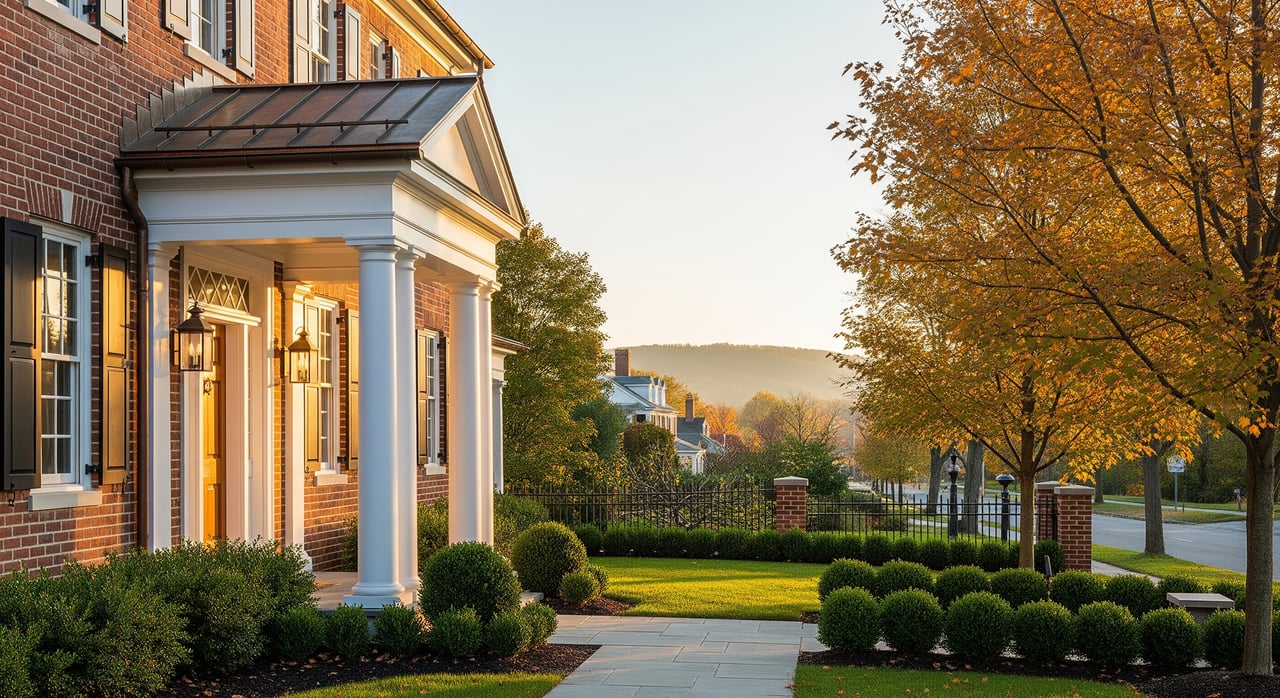
Thinking about making Northampton your new home? You are not alone. This small city in western Massachusetts blends arts, outdoor access, and a lively college-town energy with a down-to-earth pace. If you want great culture, practical commutes within the Pioneer Valley, and a strong sense of community, Northampton delivers. In this guide, you will learn how to get around, what homes and utilities to expect, how the seasons shape daily life, and the steps to take before and after you move. Let’s dive in.
Why Northampton works for newcomers
Northampton sits in the Pioneer Valley of Hampshire County and serves as a regional hub for arts, retail, health care, and higher education. You get a vibrant downtown, independent shops, and frequent cultural programming influenced by nearby colleges. The city’s size keeps things approachable while still offering amenities that feel bigger than its footprint.
Expect a true New England climate with cold, snowy winters and warm, humid summers. This matters for your home search and your budget. You will want to confirm a property’s heating fuel type and energy efficiency. Seasonal real estate activity peaks in spring and summer, which can be helpful if you want more options and a faster pace.
If you want a close-knit feel with plenty to do, you will likely find your groove here. The valley’s mix of neighborhoods, trails, and campuses adds variety to daily routines, from morning bike rides to evening lectures.
Getting around day to day
Northampton’s location makes local errands and regional trips straightforward. Many residents work and play within the valley, which keeps typical commutes manageable.
Driving and regional access
Driving is common for local and regional travel. You will use Route 9 for many in-town and cross-valley trips, with quick access to I-91 for north-south travel and the Massachusetts Turnpike for longer drives. Many Pioneer Valley commutes come in under 30 minutes, especially if you are headed to Amherst, Easthampton, Holyoke, or Springfield.
Public transit basics
The Pioneer Valley Transit Authority operates local and regional buses that connect Northampton with Amherst, Easthampton, Greenfield, and the UMass Amherst area. Intercity bus carriers run routes linking the valley to Springfield, Boston, and other cities. For current schedules and stops, check agency sites and Park-and-Ride options.
Passenger rail options can shift over time. If you plan periodic trips, look up Amtrak and MassDOT for the latest on stops and service patterns near Northampton and in nearby stations such as Springfield or Greenfield.
Biking and walking
Northampton is friendly to walkers and cyclists, especially near downtown and the campuses. Rail trails, including connections to the Norwottuck, support commuting and recreation between Northampton and Amherst. You will find local bike lanes and pedestrian infrastructure concentrated around the core, with signalized crossings that make short trips easier.
Commuting to Boston and beyond
Daily commuting to Boston is possible but uncommon because of distance. You can combine driving with rail or bus, but most people choose occasional trips or hybrid and remote work setups. If you plan frequent travel, weigh the cost, time, and schedule reliability when choosing a neighborhood.
The Five College effect
Northampton is part of a unique academic ecosystem. Smith College sits in-town, and Amherst College, Hampshire College, Mount Holyoke College, and UMass Amherst are just next door. These schools partner on resources and draw speakers, concerts, exhibits, and athletics that are often open to the public.
For you, that means a steady stream of lectures, museums, and performances throughout the year. The Smith College Museum of Art and college theaters anchor the local arts calendar. If you love learning, you will appreciate easy access to campus events and libraries with public programs.
Families have choices across public, private, and charter options in the region. Northampton Public Schools serve city residents. When you compare neighborhoods, note school district boundaries, program offerings, and your preferred commute patterns.
Housing types and what to expect
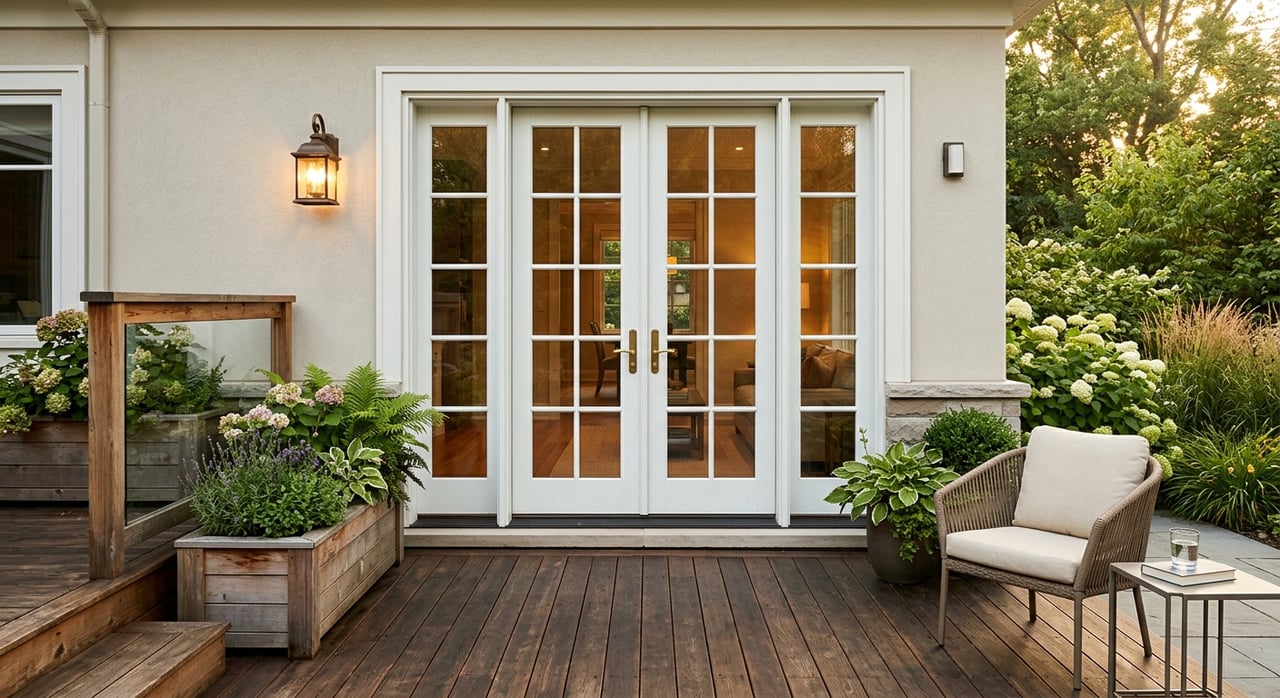
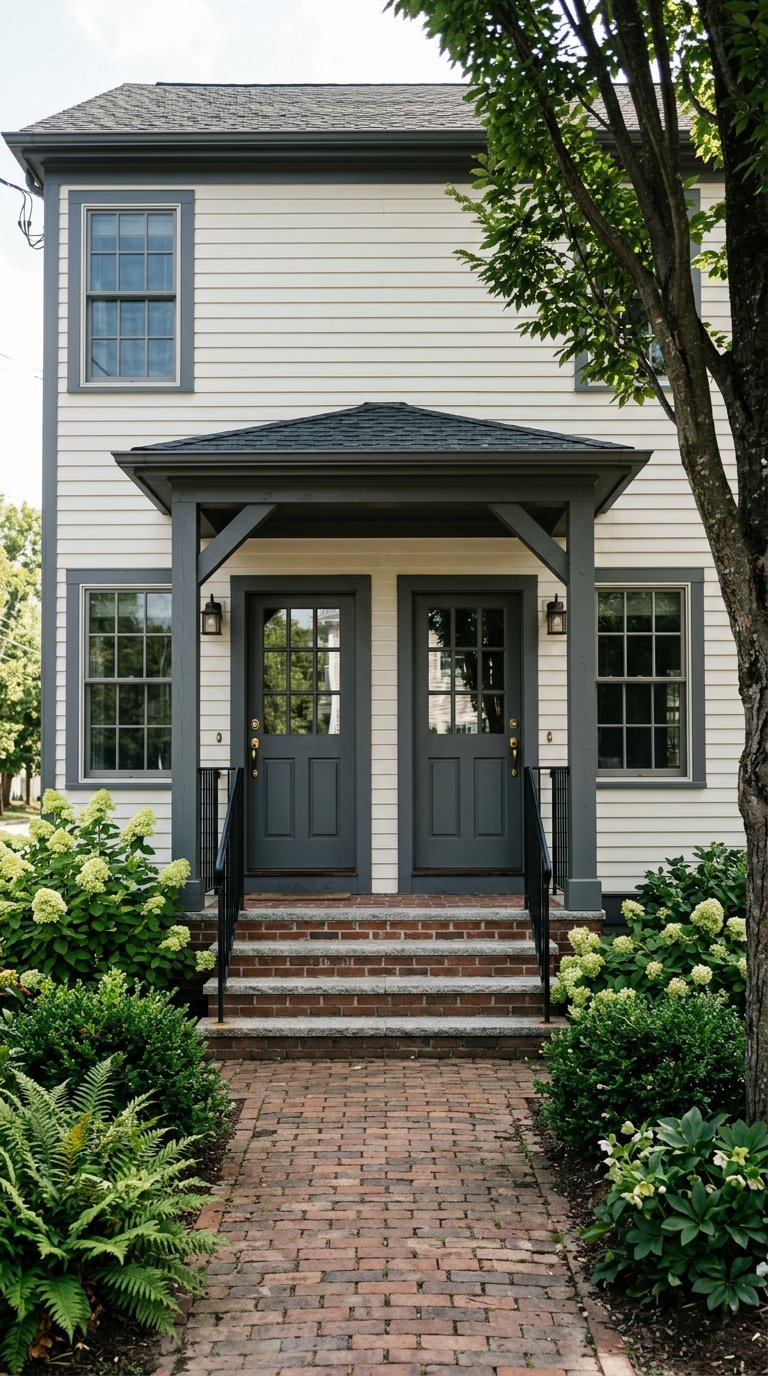
You will find a mix of historic and newer homes. In-town neighborhoods feature older single-family houses with Victorian and Colonial-era styling, small-lot homes, and multi-unit buildings close to Main Street. On the edges of town and in nearby communities, look for suburban single-family homes, newer subdivisions, and some rural properties. The region also includes mill and historic-building conversions that offer condo and loft options.
Inventory can be tight in desirable areas, especially in spring and summer. Well-priced homes may attract multiple offers. If you are buying, get pre-approval early, plan for thorough inspections, and be ready to negotiate repairs or credits. If you are renting, know that availability can track with the academic calendar, so timing your search around semester shifts can help.
Common property systems to confirm
Before you make an offer, verify:
- Heating fuel and systems. You will see natural gas in many in-town locations, with oil or propane more common in outlying areas. Heat pumps and other systems are increasingly present.
- Insulation and energy efficiency. Ask about recent improvements, energy audits, and typical seasonal costs.
- Water and sewer. In-town properties are more likely to have municipal services. Rural homes may be on wells and septic systems. If the property has a septic system, Title 5 inspection compliance is critical.
- Internet and TV. Broadband options vary by address. Confirm speeds and technologies if you rely on remote work.
- Trash and recycling. Review City of Northampton Public Works guidance on collection rules, sticker systems, and bulky waste.
Utilities and setup timeline
Building a simple setup timeline makes your move smoother and prevents last-minute surprises.
- 30 to 60 days before move-in: Schedule electric activation or transfer, confirm natural gas service if available, and arrange oil or propane delivery if needed. Book internet installation early, since lead times can stretch in busy seasons. If your home uses private well and septic, confirm maintenance records and any required inspections.
- 2 to 4 weeks before move-in: Contact the city about trash and recycling schedules, permits, or stickers. Confirm your water and sewer account if you are on municipal service. If you are part of an HOA or condo association, gather move policies, elevator reservations, and vendor requirements.
- Move week: Take meter readings, test heat and hot water, and verify internet speeds and network stability.
Health care and daily services
Cooley Dickinson Hospital provides a range of inpatient and outpatient care right in Northampton. If you need specialized services, look to nearby regional centers in Springfield and other valley hospitals. Knowing your nearest urgent care, primary care, and pharmacies before you move can save time.
Taxes, licenses, and local regulations
Every city sets its own property tax rates and assessments. The City Assessor’s office can provide current rates and any exemptions. Massachusetts levies a state income tax, so review the Department of Revenue’s guidance for filing.
Plan to transfer your driver’s license and vehicle registration after establishing residency. The Massachusetts Registry of Motor Vehicles outlines current deadlines and documents, so check requirements as you approach your move date. Also update your voter registration and change-of-address with USPS and your financial institutions.
Moving checklist and timeline
Use this simple plan to stay organized.
60+ days before move
- Engage a local real estate agent who understands out-of-area moves.
- Research neighborhoods for commute patterns, transit access, walkability, and proximity to amenities.
- If buying, secure mortgage pre-approval. Line up inspections, including roof, heating systems, septic if applicable, and environmental items.
30–60 days before move
- Schedule utility transfers and activations for electric, gas, water, internet, and trash.
- Confirm heating fuel delivery if the home uses oil or propane.
- Contact city offices for trash and recycling rules, parking permits, and local service details.
- Begin school enrollment steps if applicable. Collect records and deadlines.
Within 30 days of move
- Transfer your driver’s license and register your vehicle with the Mass RMV based on current guidance.
- Update voter registration and file a change-of-address with USPS and key institutions.
- Walk the property to locate shutoff valves, test smoke and CO detectors, and identify trusted local service providers such as HVAC, plumbing, and electrical.
First 6 months
- Get a library card and explore community resources.
- Meet neighbors and any local neighborhood associations.
- Test drive PVTA routes, rail trails, and bike lanes to choose your best daily commute.
Choosing your Northampton base
Start with how you want to live day to day. If walking to cafes and shows matters, in-town neighborhoods near Main Street and Smith College put many errands on foot or bike. If you prefer more space and a quieter setting, look to edge-of-town areas and nearby communities that offer newer homes and larger lots. If remote work is part of your plan, verify broadband speeds at the address level before you commit.
Consider how often you will visit Amherst, Easthampton, or Springfield, and map your routine to the closest highway or trail connections. If you plan frequent Boston trips, weigh proximity to I-91 or a regional rail station, and compare door-to-door times for different routes.
When you are ready to move from research to action, a local agent can help you weigh these tradeoffs in real time, preview homes, and structure offers that compete well in seasonal markets.
Ready to talk specifics and shape a plan that fits your goals? Connect with Shelly Hardy to schedule a free consultation.
FAQs
What is the climate like in Northampton and how does it affect homeowners?
- Expect cold, snowy winters and warm, humid summers; confirm heating fuel type and energy efficiency to manage comfort and costs.
How long are typical commutes within the Pioneer Valley from Northampton?
- Many local commutes are under 30 minutes, especially to Amherst, Easthampton, Holyoke, and Springfield.
Are there good options for biking and walking in Northampton?
- Yes, downtown and near-campus areas are walkable, and regional rail trails like the Norwottuck support commuting and recreation.
What heating systems are common in Northampton homes?
- You will find a mix of natural gas, oil, propane, and growing use of heat pumps; verify the system and condition for each property.
Is daily commuting to Boston realistic from Northampton?
- It is possible but uncommon due to distance and time; many residents use occasional trips or hybrid and remote work.
What utilities should I set up before moving to Northampton?
- Plan for electric, heating fuel, water and sewer, trash and recycling, and internet; start transfers or installations 30–60 days before move-in.
What should families know about schools when choosing a neighborhood?
- Northampton Public Schools serve the city, with additional private and charter options regionally; consider boundaries, programs, and commute patterns.
Where can I find public transit information for Northampton and nearby towns?
- Review PVTA bus routes for local travel and check intercity carriers and rail services for regional trips; confirm current schedules before commuting.