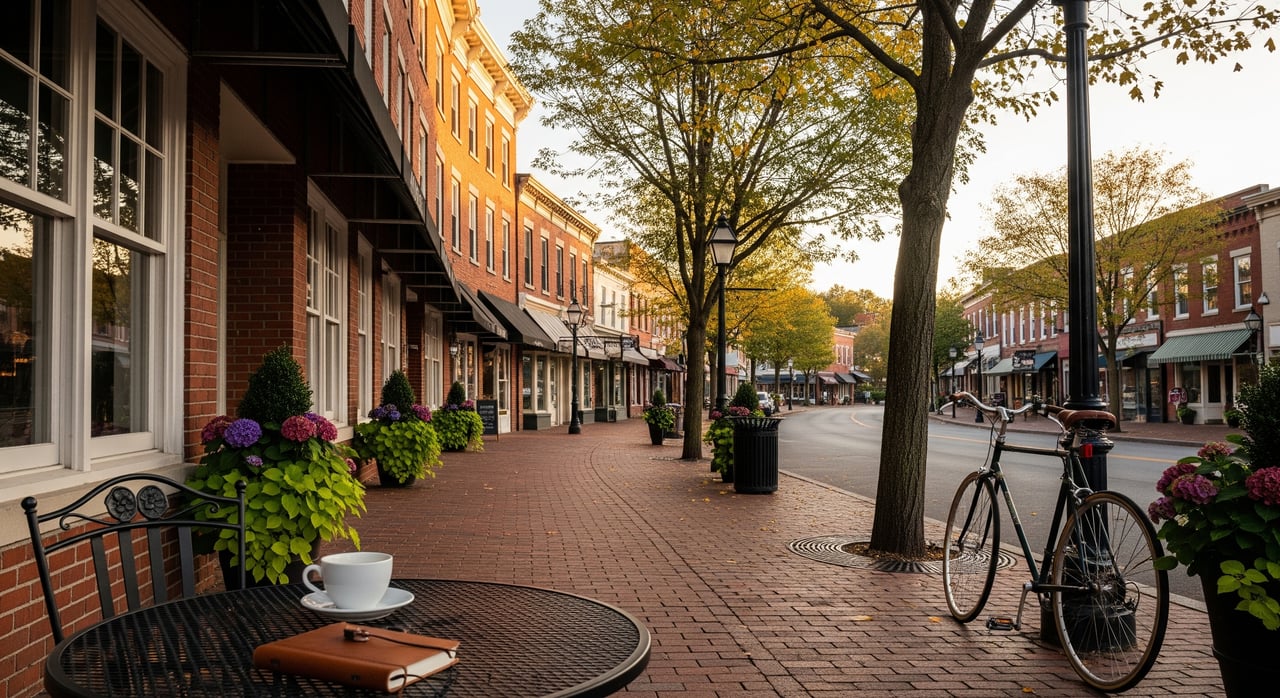
What does a Tuesday feel like in downtown Northampton? If you picture leaving your apartment, grabbing coffee, ticking off errands on foot, and ending the day with a show or a quiet walk, you’re close. Downtown Northampton offers a compact, culture‑rich lifestyle that rewards walkers and planners alike. In this guide, you’ll learn how daily life flows here, from errands and transit to arts, seasons, and housing, so you can decide if the rhythm fits you. Let’s dive in.
Downtown at a glance
Walkable core you can use
Sidewalks in the heart of Northampton are generous, with street trees, benches, and frequent crosswalks that invite you to stroll. Buildings are predominantly 2 to 4 stories, with shops and cafes at street level and homes or offices above. That mixed‑use pattern means coffee, lunch, and quick errands are typically a short walk away. You feel the difference during peak hours, when foot traffic moves smoothly block to block.
Main Street and your daily loop
Your daily loop often centers on the Main Street and King Street corridor, with Thornes Marketplace and nearby blocks acting as lively anchors. Within a few minutes, you can move between boutiques, bookstores, and essential services. Civic buildings, the library, and the post office shape mid‑day foot traffic and give you practical stops between work and home. Most days, you can plan a five‑ to ten‑minute walking radius that covers coffee, pharmacy, and takeout.
Getting around without the hassle
On foot and by bike
Walking is the default for many downtown routines, but bikes extend your reach. You’ll find bike racks near storefronts and trail connections that link to regional rail‑trails. The Norwottuck Rail Trail and other multi‑use paths provide off‑road routes for both commuting and recreation. Many residents ride to nearby neighborhoods for larger grocery runs or weekend outings.
Bus connections you can count on
The Pioneer Valley Transit Authority (PVTA) links Northampton with Amherst, UMass, and surrounding towns. Downtown stops concentrate riders during weekday mornings and late afternoons, with students and commuters shaping the flow. If you work or study in the region, bus service can cover many trips, especially when parking demand is high. For flexible schedules, pairing transit with walking or biking works well.
Parking, simplified
If you drive, you’ll use a mix of metered on‑street spaces and municipal lots or garages. Shorter errands favor street parking, while longer visits or workdays fit better in lots. Peak demand often rises on evenings and weekends during performances and festivals. Planning ahead for event nights helps you avoid circling and saves time.
Errands, groceries, and services
Where you buy the basics
You’ll find smaller specialty food shops and bakeries in the core, with full‑service supermarkets a short drive or bike ride from downtown blocks. Many residents handle day‑to‑day needs on foot and then stock up weekly at larger stores nearby. Pharmacies and convenience options are easy to fold into your walking routine. If you like cooking, seasonal farmers markets add variety and fresh produce to your pantry.
Everyday services on foot
Daily tasks are straightforward here. Banks, dry cleaning, clinics, dental care, and the post office are within easy reach. Municipal offices and the public library bring steady foot traffic throughout the day. The result is a compact set of stops you can tackle between morning coffee and the evening commute.
Arts, food, and nightlife
College energy meets local scene
Smith College sits in Northampton, and the wider Five Colleges region adds year‑round cultural depth. Museums, galleries, lectures, and performances run on an academic calendar, so you’ll notice rhythms between semesters and summer. Evening events anchor foot traffic on specific nights, drawing residents and visitors downtown. It’s a reliable backdrop if you enjoy arts alongside daily convenience.
Cafes, restaurants, and local shops
Independent cafes, restaurants, and bakeries line the core, giving you choices from quick bites to sit‑down dinners. Specialty retail is a calling card, with bookstores, boutiques, vintage and consignment, and artisan goods. Many merchants cater to both residents and students, which keeps storefronts lively most days. You can explore new spots without leaving a compact walkable map.
Evenings and late nights
Nightlife tends to peak on weekends and around performance schedules. Live music and events extend activity later into the evening, especially on event nights. Downtown lighting and an active streetscape support comfortable walking, and perceptions of safety are shaped by those elements. If you prefer quieter nights, choosing a home on a side street or in upper‑floor units can soften weekend noise.
Parks, trails, and fresh air
Trails and river access
You’re near the Connecticut River corridor and a network of multi‑use trails that stitch the valley together. Rail‑trails offer flat, scenic routes for casual rides and everyday commuting. Pocket parks and playgrounds dot nearby neighborhoods, giving you quick options for a mid‑day break. On weekends, many residents pair a trail outing with brunch or a market visit.
Fitness and community spaces
Fitness studios, community centers, and pools provide year‑round options for staying active. Classes and open gym hours tend to mirror work and school schedules, so morning and early evening are busiest. It’s easy to fit a class into a day of errands, then walk home or grab dinner nearby. The convenience adds up when you want a car‑light lifestyle.
Seasonal rhythms you’ll feel
Spring
As sidewalks clear and patios return, you’ll see bikes out early and lines for cold brew by mid‑morning. Farmers markets reopen, and college calendars bring midterm performances and exhibits. The air smells like fresh bread from bakeries and wet soil after spring rains. Lunch rushes pick up as outdoor tables reappear.
Summer
Weekends bring outdoor festivals, art fairs, and evening concerts. Patio dining is in full swing, and tourism bumps up foot traffic midday and after dinner. Trails are busiest in the morning, and you’ll hear music drifting across blocks into the evening. It’s the season to plan ahead for parking and reservations.
Fall
Back‑to‑school energy returns with a full run of lectures, gallery openings, and performances. Foliage draws visitors to parks and trails, and the light turns warm and golden in late afternoons. Downtown has a steady hum during weekdays and spirited weekends. Coffee and soup shops become regular stops as temperatures drop.
Winter
Indoor arts and dining take center stage, with holiday markets and lighting events adding color. Snow management shapes walking routes, and cleared paths guide most foot traffic. Cozy cafes, bookstores, and galleries become second homes on colder days. Evenings run quieter between event nights, perfect for a low‑key dinner.
Housing styles and daily living
What homes look like near downtown
Downtown living often means apartments and condos, many in historic buildings converted to modern units. You’ll also see mixed‑use buildings with homes above storefronts, which keeps the street active throughout the day. Single‑family homes and small multi‑families appear on nearby side streets within a short bike ride. This mix supports a range of budgets and lifestyles while keeping you close to the core.
Who tends to live downtown
You’ll find a blend of renter and owner households downtown. The presence of students and faculty mixes with long‑term residents and local workers. Weekday mornings attract commuters and students, while weekend activity spikes around events and brunch. That blend creates energy that feels different from purely residential areas.
Is downtown right for you?
If you value a walkable lifestyle, lively arts, and easy access to daily needs, downtown Northampton delivers. You can handle most errands on foot, bike to trails, and choose from a steady calendar of events. Trade‑offs include peak parking demand, seasonal weather that affects sidewalks, and more evening activity near venues. Many residents embrace a hybrid routine that balances walking with occasional drives and transit.
Your next step
The best way to feel the rhythm is to try a weekday morning and a weekend evening. Build a five‑minute walking loop, time a PVTA bus trip, and sample a performance night. If the lifestyle fits, you can fine‑tune your search by block, building type, and daily routine. Ready to explore homes near the core? Connect with Shelly Hardy for neighborhood‑level insight and a plan that fits your goals.
FAQs
How walkable is downtown Northampton for daily errands?
- Most everyday errands can be handled on foot within a compact core, with coffee, pharmacy, takeout, and shops clustered around Main Street and nearby blocks.
What public transit options serve downtown Northampton?
- PVTA buses link downtown with Amherst, UMass, and nearby towns, with downtown stops shaping peak commuter and student travel times.
Where do residents buy groceries near downtown Northampton?
- You’ll find small specialty shops and bakeries in the core and larger supermarkets a short bike ride or drive away for weekly stock‑ups.
What is parking like in downtown Northampton?
- Expect a mix of metered street parking for short visits and municipal lots or garages for longer stays, with peak demand during evening events and weekends.
How does the Smith College calendar affect downtown activity?
- Academic schedules influence foot traffic and events, with more performances and lectures during the school year and a different pace in summer.
What housing types are common near downtown Northampton?
- Apartments and condos in 2 to 4‑story mixed‑use or historic buildings are common, with single‑family and small multi‑family homes on nearby side streets.