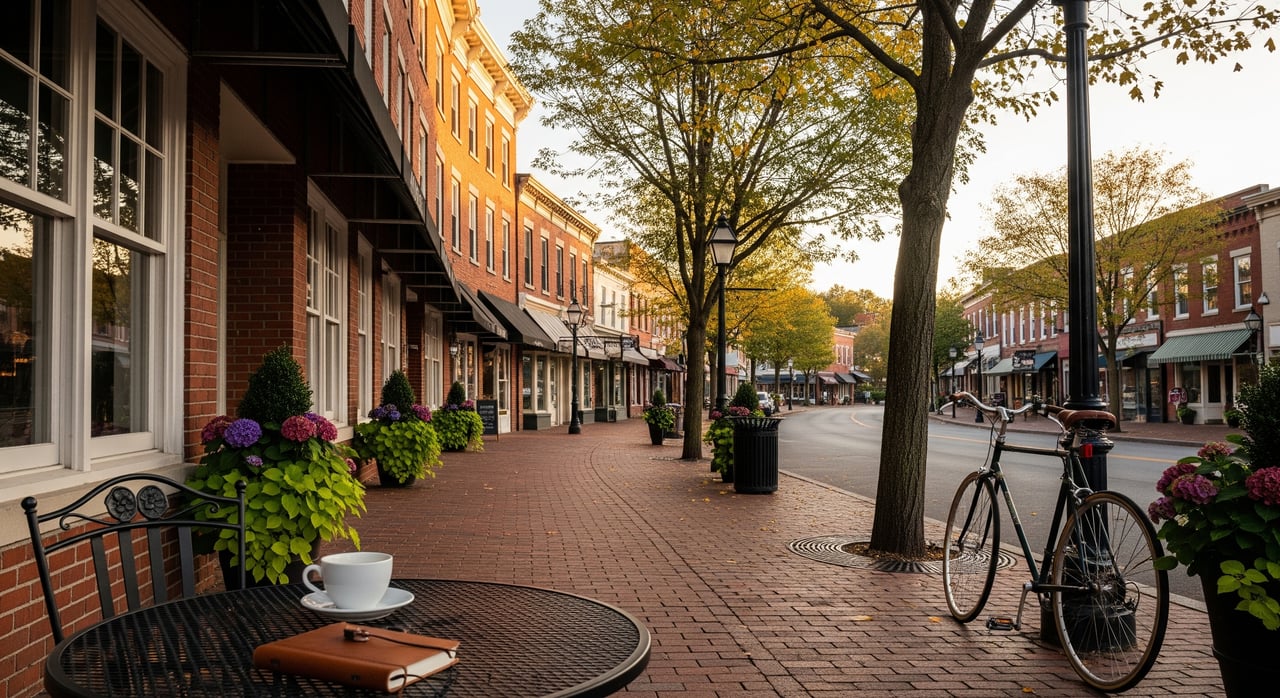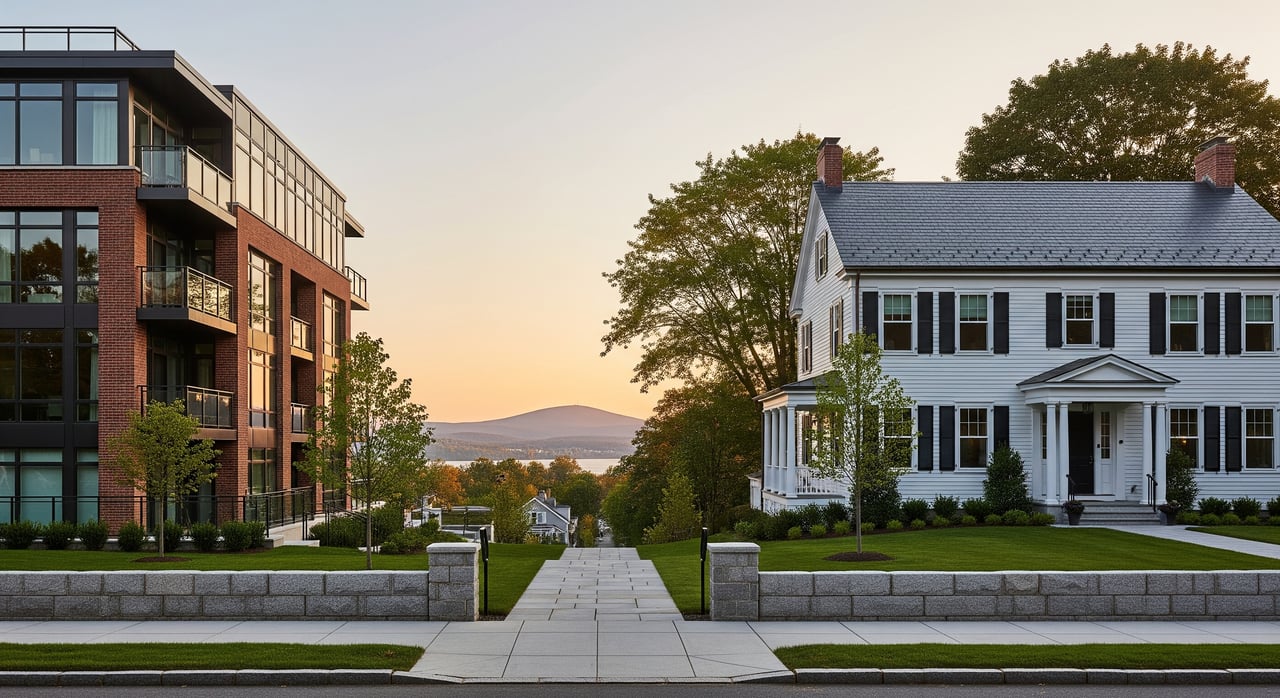
Thinking about a move to Holyoke and curious about the Highlands? You’re not alone. Buyers are drawn to its classic homes, leafy streets, and easy access to highways and hiking. In this guide, you’ll get a clear, research-backed look at homes, parks, commuting, and the market so you can decide if the Highlands is a fit for you. Let’s dive in.
Where the Highlands sit
The Highlands, including the adjacent Highland Park pocket, sit northwest of Holyoke’s downtown canal district. Pleasant Street is a key north–south corridor, and Homestead Avenue links the area to Holyoke Community College and Route 202. The neighborhood developed in the late 19th and early 20th centuries, and Highland Park’s early planning still shapes its tree-lined character. For a bit of local history, explore the Highland Park history.
If you commute by car, you’ll appreciate the quick connection from local streets to I‑391, which feeds directly to I‑91 for regional travel to Springfield, Chicopee, Northampton, and beyond. A handy reference is the Interstate 391 overview, which shows how it links to I‑91.
Homes and architecture
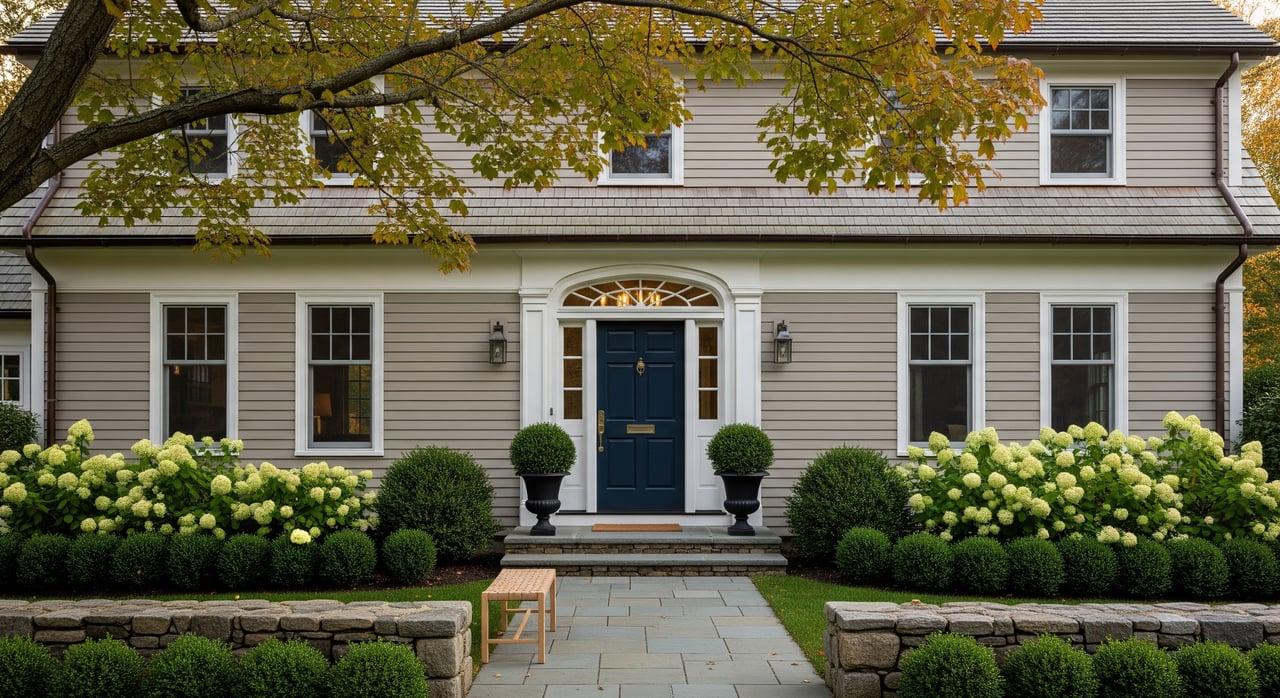
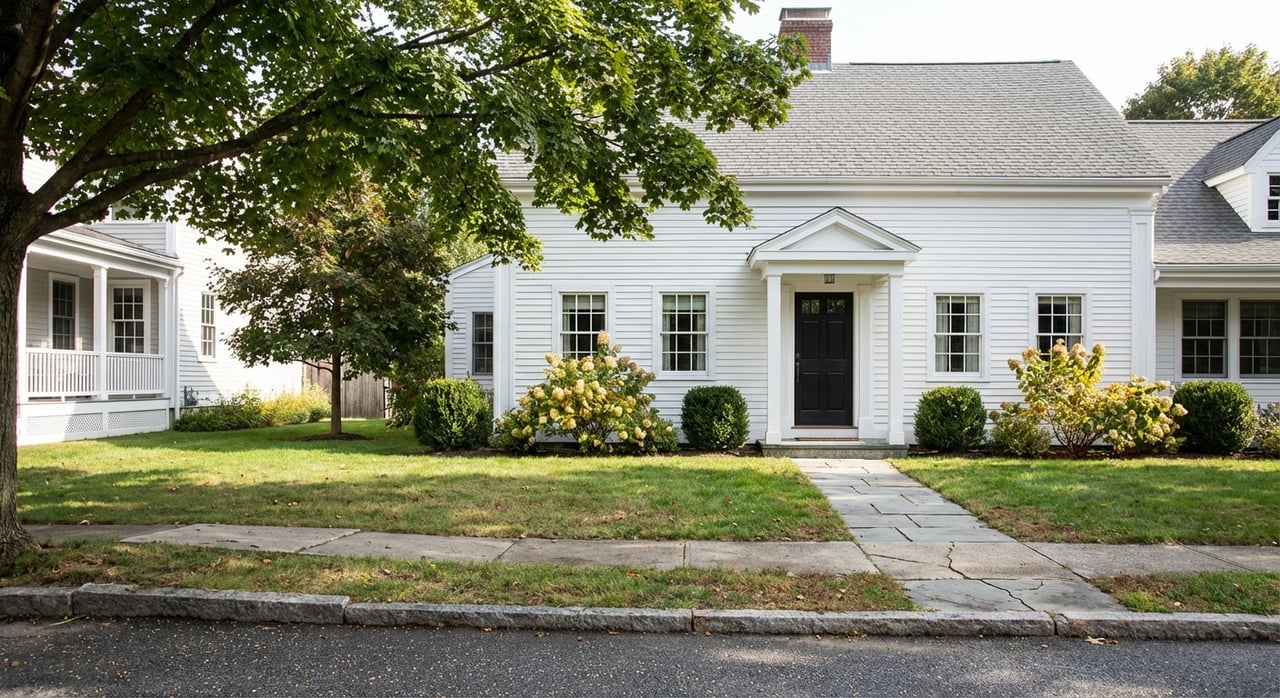
You’ll find a strong mix of period homes here. Victorian, Colonial, and early 20th‑century styles are common, often with hardwood floors, porches, and classic trim. Many properties have seen thoughtful updates, especially in kitchens and baths, while keeping original details.
Block by block, street feel can shift. Some sections of Highland Park have larger lots with a traditional streetcar-suburb layout, while nearby pockets include more compact lots and small multifamily buildings. If you love older homes, you’ll appreciate the craftsmanship. If you’re selling, it pays to spotlight preserved details along with any recent systems or interior upgrades.
Buyer and seller notes
Older homes come with benefits and responsibilities. Buyers should plan for thorough inspections with an eye on:
- Roof, foundation, and drainage
- Electrical capacity and panel age
- Heating and cooling systems, including oil-to-gas conversions if applicable
- Potential lead paint in older housing
Sellers can stand out by documenting major systems work and recent renovations. Highlight refreshed kitchens and baths, updated mechanicals, and exterior maintenance. Clean presentation, simple staging, and clear disclosures help buyers move forward with confidence.
Parks and outdoor access
One of the neighborhood anchors is Jones Park in Highland Park, a historic green shaped by early planning efforts and noted in local history. It gives the area a classic neighborhood center feel. For a deeper look at how the park fits the area’s evolution, see Highland Park history.
If you like weekend adventures, you have options close by:
- Visit the riverfront and museums at Holyoke Heritage State Park, which includes a carousel, children’s museum, and canal-side paths.
- Walk or run the loop trails around Ashley Reservoir, a local favorite for quiet miles around the water.
- Hike bigger routes on the Mount Tom ridgeline and beyond into the Mount Holyoke Range State Park, a short drive away.
Getting around
Driving is straightforward. The I‑391 spur ends in Holyoke and connects to I‑91 for north–south travel. Local arteries like Pleasant Street and Homestead Avenue feed into Route 202 and the wider Valley network. For a quick primer on how I‑391 ties the area together, check the Interstate 391 overview.
Public transit is available through the Pioneer Valley Transit Authority. Routes serve Holyoke Community College, the downtown transit center, Holyoke Mall, and regional links to Northampton, Amherst, and Springfield. HCC provides practical visitor info, including PVTA connections, on its getting here page.
Walkability varies by block. Some streets near parks and Pleasant Street offer easy local trips, but most residents use cars for daily errands. The result is a balanced, suburban-urban feel rather than a fully urban environment.
Market snapshot
Recent neighborhood snapshots from listing platforms place the Highlands’ median listing price around the low 400s, with the citywide Holyoke median sale price trending a bit lower. In the same snapshots, sales-to-list ratios near 102 percent and days on market in the high 20s suggest competitive dynamics for well-presented homes. Definitions and boundaries can vary by site, and some tools treat Highland Park as a slightly higher-priced pocket within the Highlands. If you are comparing options, focus on street-level comps and recent sales nearby.
What does this mean for you? If you are buying, be ready to move quickly on standout listings and have your financing lined up. If you are selling, polished presentation and accurate pricing can help you attract serious buyers and encourage strong offers.
Who buys here and why
Holyoke’s Highlands appeal to a wide range of buyers because you can often find larger period homes at prices that compare favorably with some nearby towns, including Northampton and Amherst. Access to I‑91 makes regional commutes manageable. Local institutions also add steady demand:
- Holyoke Community College draws students and staff who value proximity.
- Holyoke Medical Center serves citywide health needs and sits within a short drive from many Highlands blocks.
Investors and owner-occupants alike notice opportunities in small multifamily properties while single-family buyers value the neighborhood’s character and lot sizes.
Practical tips for buyers and sellers
A smooth experience starts with a clear plan. Use this checklist to stay ahead:
- Inspections and systems: Prioritize roof, structure, electrical, heating, and potential lead paint in older homes. Budget for updates if systems are near end of life.
- Pre-listing prep: If you are selling, consider a pre-listing inspection, refresh paint and lighting, and stage for bright, simple rooms that showcase period millwork and floors.
- Permits and taxes: Property tax rates and permitting rules change over time. Check with the City Assessor and Building Department before budgeting or starting projects.
- Schools: Edward Nelson White Elementary is a local reference point for part of Highland Park. Always confirm school assignment directly with Holyoke Public Schools. For location context, see the Edward Nelson White School map.
- Infrastructure projects: Road or sewer work can affect certain streets in a given season. Local news has covered recent sewer upgrades near school areas, such as this WAMC report on Holyoke sewer projects. Check current city notices as you plan timing.
The Highlands, in a nutshell
If you want period architecture, established streets, and easy highway access, the Highlands deliver a lot of value in Holyoke. You will see homes with character, from porches and classic trim to renovated kitchens that blend old and new. Nearby parks, reservoirs, and the riverfront add outdoor variety, while PVTA routes and I‑391 keep you connected across the Valley. With thoughtful prep and the right strategy, you can buy or sell here with confidence.
Ready to explore listings or talk strategy for your sale? Reach out to Shelly Hardy to schedule a free consultation.
FAQs
What and where is the Holyoke Highlands?
- The Highlands, including the adjacent Highland Park pocket, sit northwest of downtown Holyoke near Pleasant Street and Homestead Avenue, with quick access to I‑391 and I‑91.
What home styles are common in the Highlands?
- You’ll often see Victorian, Colonial, and early 20th‑century homes, some with updated kitchens and baths, alongside small multifamily buildings on select blocks.
How walkable and transit-friendly is the area?
- Walkability varies by block, cars handle most errands, and PVTA bus routes connect the area to Holyoke Community College, downtown, and regional hubs.
Is the Highlands housing market competitive?
- Recent listing-site snapshots show sales-to-list ratios around 102 percent and days on market in the high 20s, signaling competitive conditions for well-presented homes.
What parks and trails are nearby?
- Local options include Jones Park in Highland Park, the riverfront at Holyoke Heritage State Park, Ashley Reservoir trails, and hikes on the Mount Tom and Mount Holyoke Range corridors.