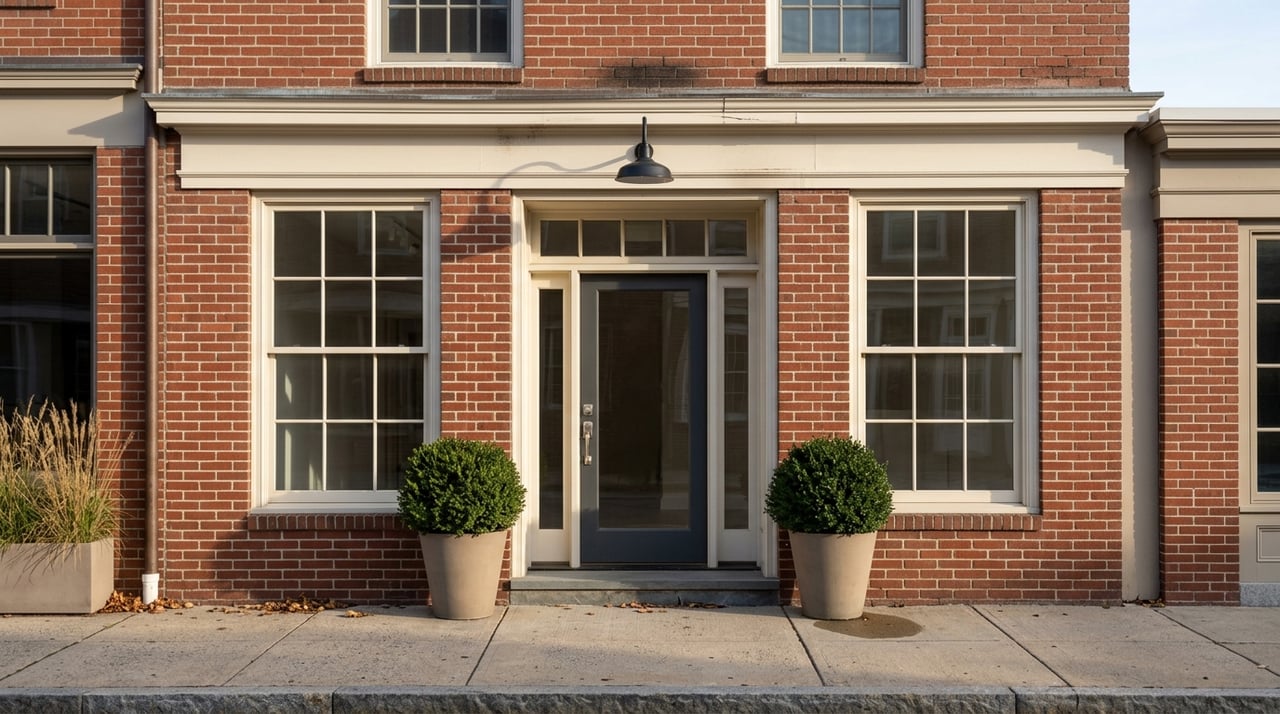
Are you thinking about buying a small commercial property in Northampton? It can be an exciting move, whether you want a storefront, office, mixed-use building, or a place to run your business while building long-term value. The key is knowing what to check before you make an offer, from zoning and parking to occupancy status and carrying costs. Let’s dive in.
Why Northampton Stands Out
Northampton offers a useful advantage for small commercial buyers: the city uses a single tax rate for commercial and residential real estate. For FY2026, that rate is $13.67 per $1,000 of assessed value. That makes it easier to compare different property types on the same tax basis when you are weighing owner-occupied or mixed-use options.
The city also gives you strong tools for early research. The Assessor’s Office records and analyzes residential, commercial, and industrial properties, and its online mapping resources include parcel maps, zoning maps, and property cards. If you are narrowing down a short list of properties, those tools can help you spot red flags before you spend more time or money.
Start With Zoning First
In Northampton, zoning should be one of your first checkpoints. The city’s permit guidance encourages applicants to speak with Planning & Sustainability staff before applying, and it notes that zoning review comes first. Depending on the site and the work you plan, a project may also move through other boards or commissions.
That matters because a property that looks perfect on paper may not support your intended use without added review. In some cases, a use may be allowed by right. In others, it may require site plan approval or a special permit.
Districts to Know
If you are shopping for a small storefront, office, or mixed-use building, several district names are especially important during an initial zoning screen:
- CB-Core
- CB-Side Street
- CB-Gateway
- Florence Village-Center
- Florence Village-General
- GB
- NB
- M
The GB and NB use tables are especially relevant for many small buyers. Those districts include mixed residential and work space, along with mixed residential and retail service or commercial uses in certain cases. That can make them a strong starting point if you want a live-work setup, a small office, or a building with both business and rental potential.
Zoning Is Not All-or-Nothing
A common mistake is assuming a use is either simply allowed or not allowed. Northampton’s use rules are more nuanced than that. Depending on the district and the exact use, approval may fall into one of several buckets:
- Allowed by right
- Allowed with site plan approval
- Allowed by special permit
That distinction can affect your timeline, renovation budget, and financing strategy. If your plan depends on a use change or expansion, it is smart to verify the exact approval path before you commit.
Check Overlays Before You Offer
Beyond the base zoning district, overlays can shape how a property works over time. Before making an offer, it is worth checking whether the parcel sits in a floodplain, water supply protection area, historic district, or another overlay area.
These layers can affect remodeling, expansion plans, insurance costs, and even how quickly you can move a project forward. Northampton’s public map library includes an interactive zoning map, downtown map, flood insurance rate maps, historic register and historic district maps, and the tax assessor map, all of which can support early due diligence.
Review Use and Occupancy Status Early
One of the biggest practical issues in a small commercial purchase is whether the property’s current use matches what has actually been approved. Northampton requires a zoning permit for new construction, structural changes, use changes, increases in use intensity, and similar alterations. The city also requires a certificate of use and occupancy before a new or altered structure or lot may be occupied.
For you as a buyer, that means occupancy status should be reviewed before closing, not after. If a building has been altered over time, or if the seller has used it differently from its original approval, you want to understand that before it becomes your problem.
Parking Can Make or Break the Deal
Parking is often one of the most important issues for small commercial properties in Northampton. The city generally requires off-street parking for new structures, additions, and new or expanded uses. Loading spaces may also be required for many nonresidential uses above certain size thresholds.
This matters because a property may look affordable until you discover that a change of use triggers parking requirements the lot cannot easily satisfy. That can limit how you use the building or reduce its appeal to future tenants.
Downtown Has More Flexibility
If the property is in the Central Business districts, Northampton allows payment in lieu of some or all required parking spaces by right. The current amount is $2,000 per space, with those funds going into a downtown parking reserve account.
The code also allows shared and combined parking in certain situations. For mixed-use buildings, or properties next to users with different peak hours, that flexibility can be very helpful.
Layout Details Matter Too
A building’s layout affects more than appearance. Northampton requires bicycle parking for most new buildings, additions, and changes of use, and it limits curb cuts and driveway arrangements in many cases. Loading spaces generally must be on the same lot as the use they serve, and they do not count as parking.
In real terms, parcel shape, rear access, and circulation can affect how usable the property is day to day. Those same details can also influence lease potential if you plan to occupy part of the property and rent out the rest.
Know When Site Plan Approval Applies
Some projects require site plan approval before the city will issue building, zoning, or special permits. In Northampton, intermediate projects include new construction or additions of 2,000 to 5,000 square feet of gross floor area, or projects that create six to nine additional parking spaces.
Major projects include 5,000 square feet or more, commercial parking lots and garages, certain convenience-food and retail projects outside the CBD, service stations, and projects that require 10 or more additional parking spaces. Planning Board review looks at issues such as drainage, safe access, pedestrian and vehicle circulation, parking, loading, and compatibility with surrounding land uses.
For a small buyer, this is important because even a modest expansion or operational change can trigger a broader review process. It is better to know that up front than to build your numbers around a simpler approval path that may not apply.
Downtown and Historic Review Can Affect Renovations
If a building is in or near downtown, exterior work may trigger additional review. The Central Business Architecture Committee reviews certain permit applications in the downtown core district to preserve pedestrian-scale character and encourage compatible design.
The Historical Commission also oversees exterior changes in the Elm Street and Round Hill Local Historic District and reviews demolition for certain older structures citywide, including principal structures built between 1901 and 1945. If your business plan depends on exterior improvements, signage changes, or a visible renovation, this step deserves attention early.
Match Financing to Your Plan
Your financing approach should fit the way you plan to use the property. For owner-occupants, SBA financing can be relevant. The SBA 7(a) program may be used to acquire, refinance, or improve real estate and buildings, while the 504 program offers long-term fixed-rate financing for major fixed assets such as existing buildings, land, and improvements to land, parking lots, and existing facilities.
There is an important distinction here. The 504 program cannot be used for speculation or investment in rental real estate. If you are buying a property to house your own business, that is a different structure from buying a rental-only investment, and your financing should reflect that.
Think About Lease Potential Up Front
Even if you plan to use the property yourself, lease potential matters. A building that can support more than one use may offer added flexibility later, whether that means renting a second unit, sharing space, or adjusting your business footprint over time.
In Northampton, that potential often comes down to practical features such as:
- Separate entrances
- Functional common-area circulation
- Parking support
- Loading access
- A district that accommodates mixed-use patterns
Northampton’s code can be relatively accommodating to mixed-use in the right districts. Combined with downtown parking substitutions and shared parking options in some cases, that can make an owner-occupied mixed-use property more attractive over the long term.
A Smart Due Diligence Checklist
Before you move forward on a small commercial property in Northampton, make sure you cover the basics.
- Confirm the zoning district and any overlay status on the assessor and public maps.
- Verify the current use, parking, loading, and certificate of use and occupancy status.
- Search prior permits in Northampton’s OpenGov portal by address or record ID.
- If the property is downtown or historic, check whether Central Business Architecture or Historical Commission review could apply.
- Match the financing type to the deal structure, especially if you are comparing owner-occupied use with rental-only investment.
A careful review early in the process can save you time, money, and frustration later. It can also help you spot opportunities that less prepared buyers may miss.
Why Local Guidance Helps
Buying a small commercial property is different from buying a home. You are not just evaluating location and condition. You are also looking at zoning, permit history, occupancy, parking, layout, and long-term flexibility.
That is where local market knowledge can make a real difference. If you want help sorting through mixed-use options, owner-occupied opportunities, or small investment properties in Northampton, Shelly Hardy can help you evaluate the details and move forward with confidence.
FAQs
What should you check before buying a small commercial property in Northampton?
- Start with zoning, overlay status, current use, parking, loading, permit history, and certificate of use and occupancy status.
How much is the Northampton property tax rate for commercial real estate?
- For FY2026, Northampton’s tax rate is $13.67 per $1,000 of assessed value, and the city uses the same rate for commercial and residential real estate.
Which Northampton zoning districts matter for small mixed-use or storefront properties?
- Common districts to review include CB-Core, CB-Side Street, CB-Gateway, Florence Village-Center, Florence Village-General, GB, NB, and M.
Can parking requirements affect a Northampton commercial purchase?
- Yes. Off-street parking and loading rules can affect use changes, additions, tenant appeal, and even whether a business plan works on a specific parcel.
What approvals might apply to renovations in downtown Northampton?
- Depending on the property and the work proposed, you may need zoning review first and possibly review by Planning & Sustainability, the Planning Board, the Zoning Board of Appeals, the Central Business Architecture Committee, the Historical Commission, or other local bodies.
Can SBA financing work for a Northampton owner-occupied commercial property?
- It can for some buyers. SBA 7(a) and 504 programs may be relevant for owner-occupied business purchases, but the 504 program cannot be used for speculation or rental-only investment real estate.