Trying to choose between a newer build and an older home in Northampton? You are not alone. In a city where historic housing makes up a huge share of the market and brand-new homes are relatively rare, this decision can shape your budget, daily comfort, and long-term plans in a big way. If you want to weigh charm, maintenance, energy performance, and renovation flexibility with more confidence, this guide will help you sort through the tradeoffs. Let’s dive in.
Why this choice matters in Northampton
Northampton is not a market where new construction is the default. The city reports that about 40% of occupied housing units were built in 1939 or earlier, another 34% were built between 1940 and 1979, and only 5% have been built since 2010. That means older homes are not a niche here. They are a major part of what buyers see.
At the same time, inventory remains tight enough that buyers often need to move quickly. Public market snapshots for spring 2026 showed median prices around the high $400,000s to mid $500,000s, roughly 22 to 23 days on market, and homes selling near asking price on average. In practical terms, you are often comparing two very different ownership experiences in a competitive environment.
Historic homes in Northampton
Historic homes are a major part of Northampton’s identity. The city specifically highlights the historic character of downtown and the mill villages of Florence, Leeds, and Bay State, and its local historic districts include areas such as Elm Street and Round Hill. If you love original detail, established streetscapes, and homes with a sense of age, Northampton gives you a lot to explore.
That appeal comes with a framework you need to understand. The Historical Commission reviews exterior changes in local historic districts and also reviews demolition of older structures under the city’s demolition ordinance. So when you buy a historic home here, you are not only buying the house itself. You may also be buying into rules that affect what you can change and how you can change it.
What historic character often looks like
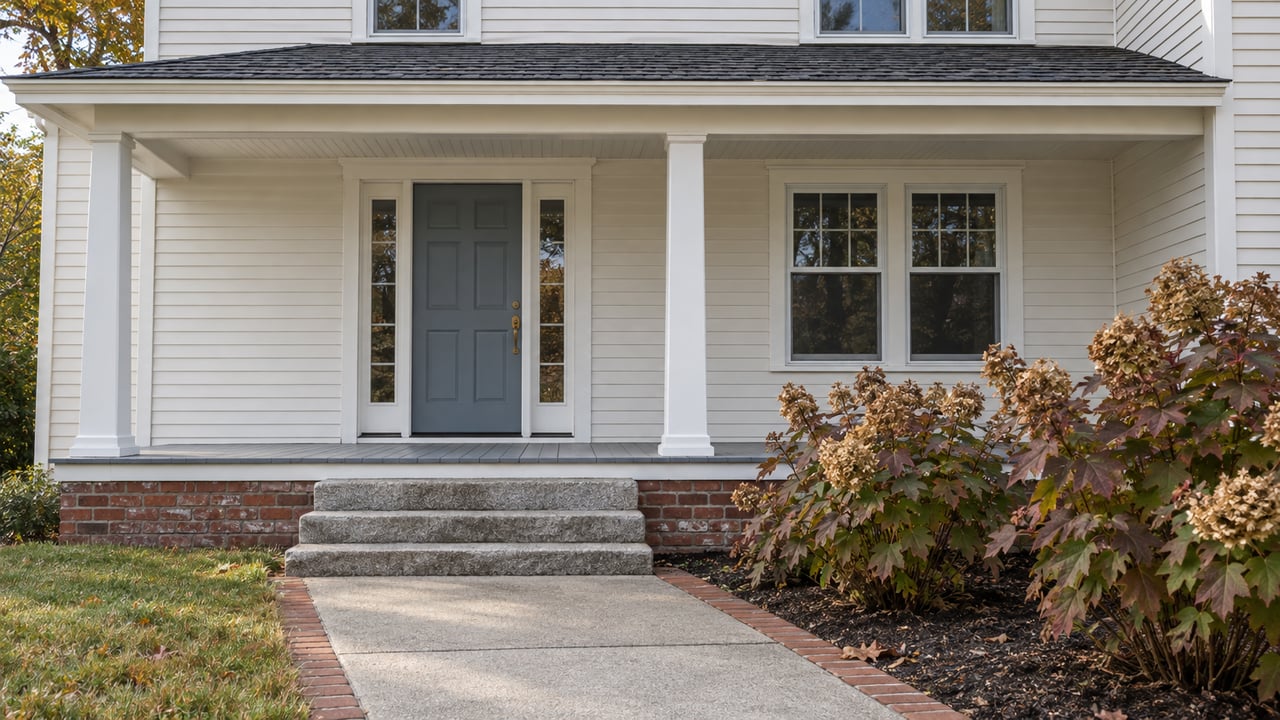
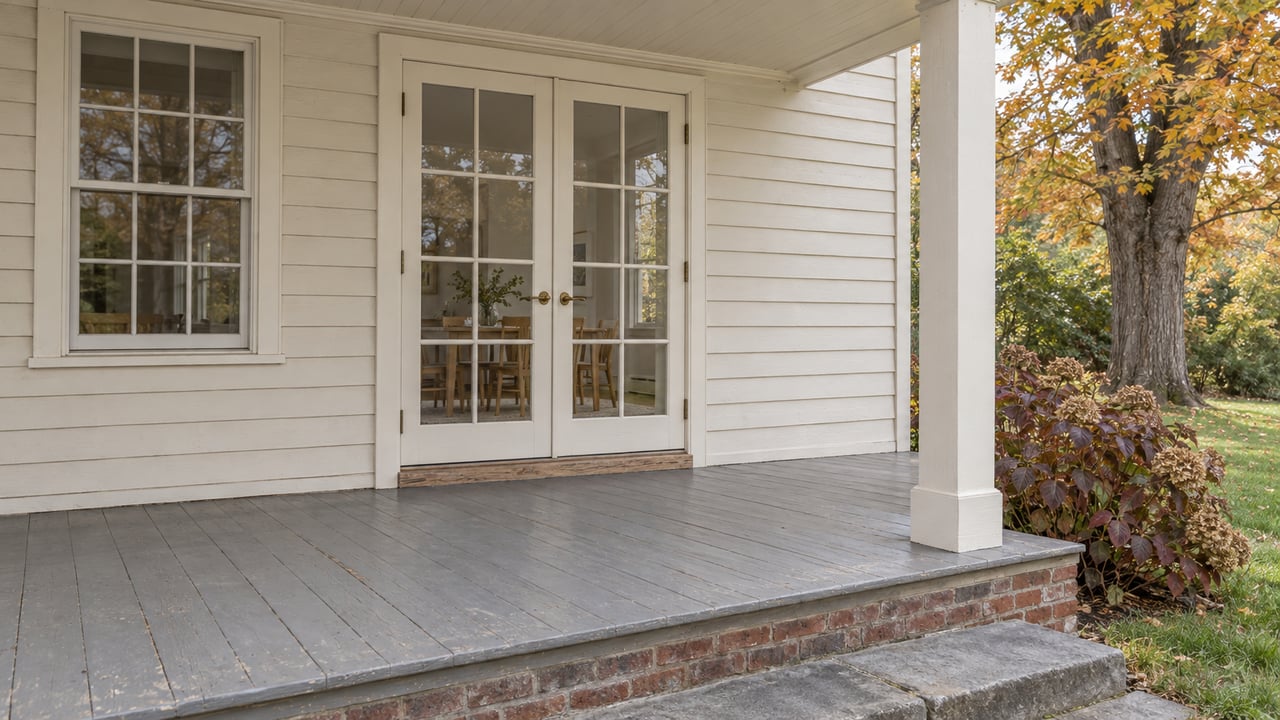
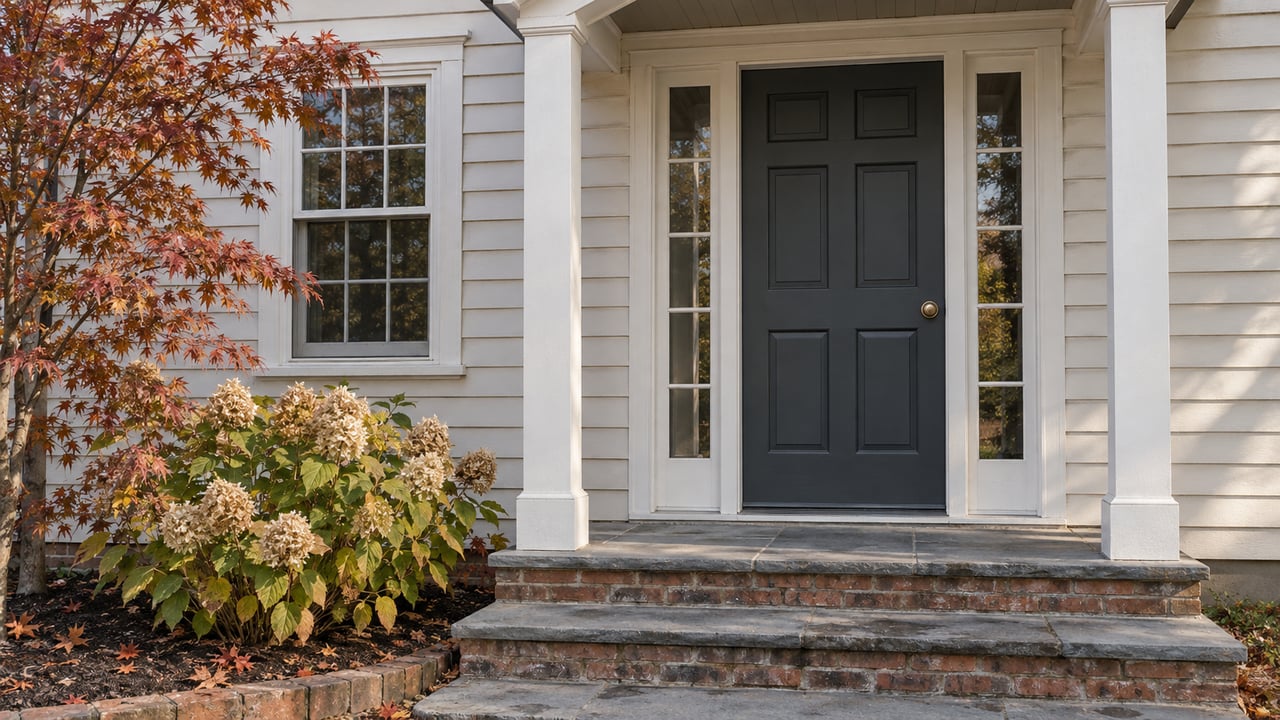
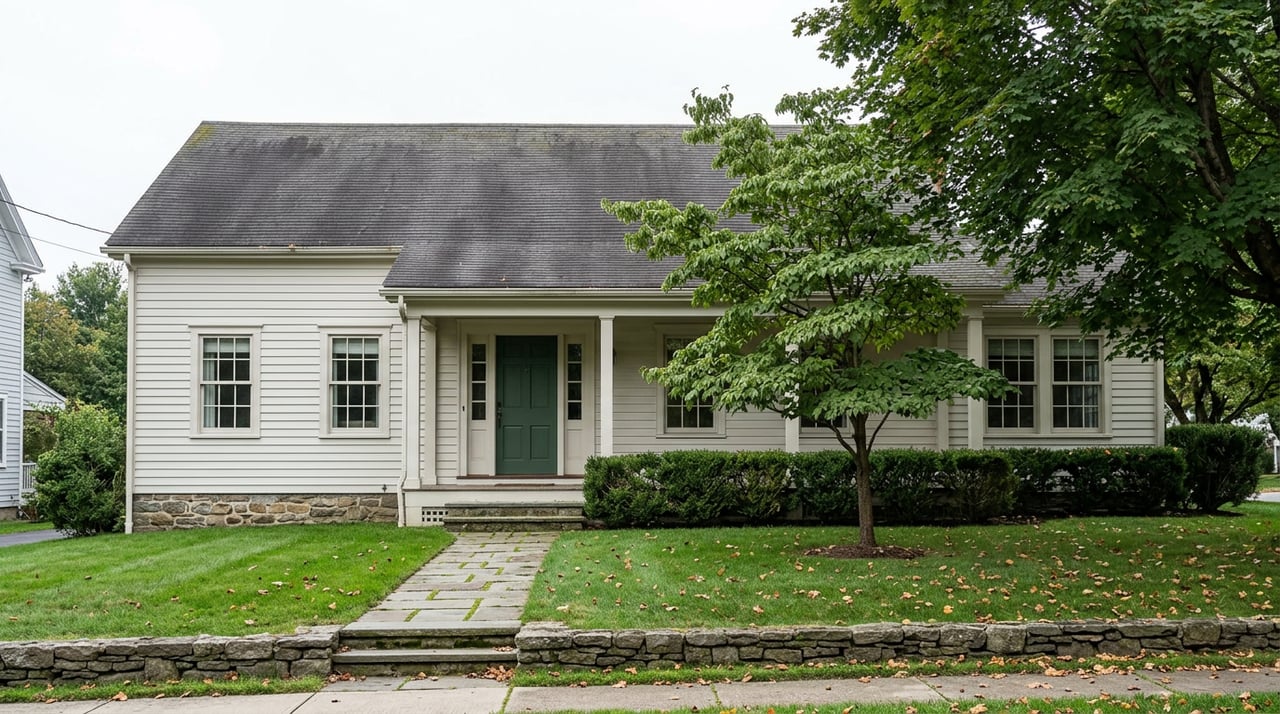
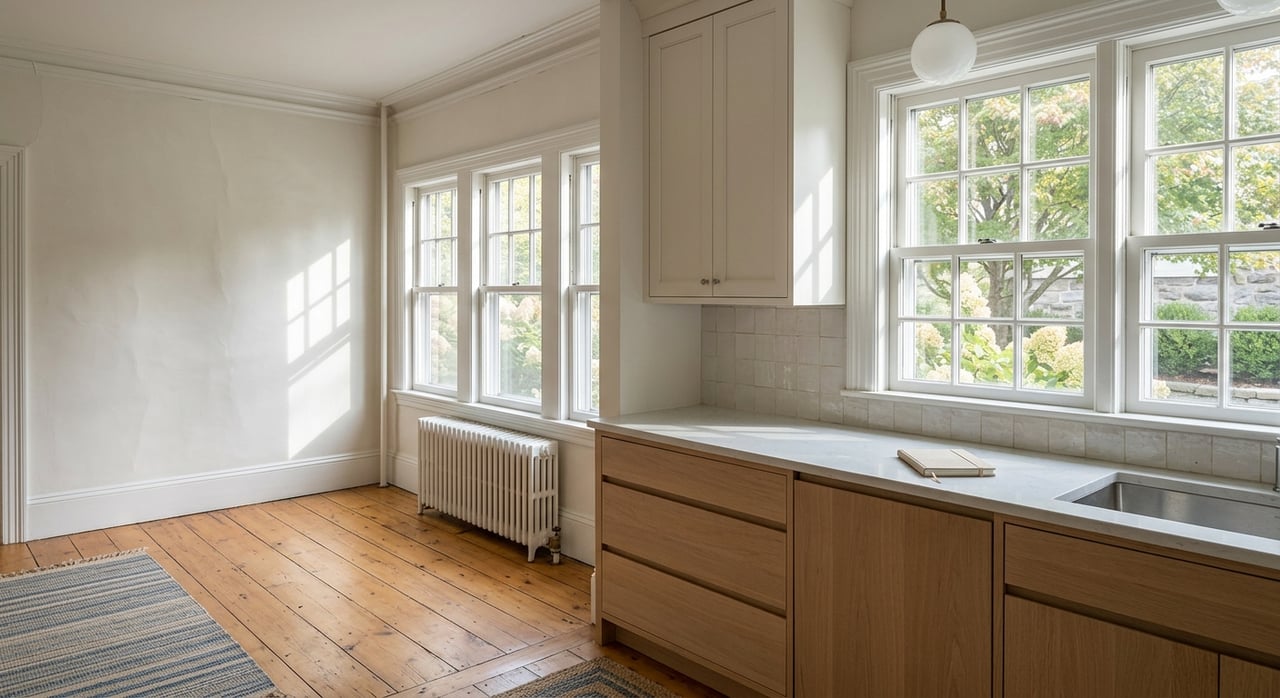
Northampton’s district standards describe many older homes with symmetrical façades, center entries, porches, double-hung sash windows, and ornamental trim. Those details are part of what gives many properties their visual appeal. They also influence repair decisions, because preserving original features is often encouraged over replacing them with newer materials.
Inside, older homes may feel different from newer builds. Based on the city’s descriptions of traditional house forms, buyers may find more formal room divisions, narrower circulation patterns, or layout quirks compared with newer homes. Every house is different, but it is reasonable to expect that charm and convenience do not always come packaged together.
What to expect with maintenance
One of the biggest realities of owning a historic home in Northampton is repair-first maintenance. The city’s standards encourage owners to retain original windows and configurations, keep porches intact, preserve roof forms, and avoid replacements that erase historic character. That can mean more thoughtful upkeep and sometimes more specialized work.
This does not mean historic homes are automatically poor choices. It does mean your maintenance plan should be realistic. A lower purchase price than a turnkey newer home may be offset by costs tied to windows, roofing, gutters, insulation, heating updates, or preservation-minded repairs.
Lead and older-home due diligence
If a Northampton home was built before 1978, lead should be part of your review process. Massachusetts requires sellers and real estate agents to disclose known lead information for homes built before 1978. In a city with a large share of prewar housing, this is not a side issue. It is a core part of smart due diligence.
For many older homes, the most useful questions are simple and practical:
- When were the roof and gutters last updated?
- Have the windows been repaired, upgraded, or replaced?
- When was the heating system updated?
- Has insulation or air sealing been added?
- Are lead disclosures, prior tests, or lead-safe renovation records available?
- Is the home in a local historic district or subject to demolition-delay review?
New construction in Northampton
New construction offers a very different value proposition, but it is much less common in Northampton. Even with visible development in recent years, the city’s housing profile still shows that only 5% of occupied units were built since 2010. That scarcity alone can make newer homes feel like a separate lane of the market.
For many buyers, the appeal is straightforward. A newer home often means a stronger starting point for systems, building performance, and near-term maintenance. You may also get a floor plan that feels more aligned with how people live today.
What newer homes often offer
Because newer construction is shaped by current code requirements and contemporary design patterns, buyers often see more open living areas, larger kitchens, and more integrated spaces like mudrooms or primary suites. That is not a guarantee for every home, but it is a common practical difference when comparing old and new in Northampton.
Just as important, newer homes are built in a code environment that emphasizes energy performance. Northampton adopted the Massachusetts stretch energy code effective in 2011 and the specialized energy code effective in 2024. Massachusetts says its current building-energy framework is designed to support efficiency and electrification goals.
Why permits and energy paperwork matter
When you buy new construction, finishes and layout are only part of the story. Northampton’s building department enforces state building, plumbing, gas, electrical, and access codes, and permit materials may require structural and energy documentation as appropriate. That means your review should include more than paint colors and appliance packages.
Ask for the basics early:
- Which energy-code path applied to the home?
- Are final permits complete?
- Is the energy documentation in hand?
- What systems and materials were installed?
These questions help you understand not just what the house looks like, but how it was built and documented.
Energy costs and long-term comfort
Energy performance is one of the clearest differences buyers think about when comparing new construction and historic homes. Newer homes usually start with a stronger baseline because they are built to more recent standards. That can reduce uncertainty around heating, cooling, and insulation performance.
Still, older homes are not automatically inefficient. Historic properties can often be improved through weatherization, storm windows, HVAC updates, and window repair or thermal upgrades while preserving character. In Northampton, that matters because local standards favor compatible repairs rather than wholesale replacement.
Mass Save can also play a role for both old and new homes. The program offers rebates of up to $15,000 per home on qualifying heat-pump systems and pairs those upgrades with weatherization work such as insulation and air sealing. For older homes, that can help narrow the performance gap. For newer homes, it can support already efficient systems.
Price comparison is about total cost
In Northampton, age alone does not determine value. Public market data suggests pricing is influenced by condition, scarcity, and location as much as by whether a home is old or new. That is why the better question is not simply, “Which is cheaper?” It is, “What will this home likely cost me over the first few years?”
A historic home may come in at a price point that feels more approachable than a fully updated newer property. But your first-year and early-year budget may need to account for repairs, lead-safe work, insulation improvements, and preservation-sensitive maintenance. A newer home may cost more upfront, but it can offer fewer short-term repair surprises and clearer energy expectations.
How to decide what fits you best
The right choice usually comes down to your tolerance for projects, your budget structure, and how much flexibility you want after closing. If you love character and can handle ongoing upkeep with clear eyes, a historic home may feel rewarding. If you want more predictability, easier maintenance, and a more code-driven performance baseline, new construction may be the better fit.
Here is a simple way to think about it:
Historic homes may fit you if:
- You value original architectural details and established streetscapes
- You are comfortable budgeting for maintenance and updates
- You do not mind extra diligence around permits, lead, or review rules
- You are open to layouts that may be less open or less standardized
New construction may fit you if:
- You want lower near-term repair risk
- You prefer more open and flexible layouts
- You care deeply about energy documentation and current-code performance
- You are comfortable competing for a scarcer product type
A smart Northampton buying strategy
Because the tradeoffs are so location-specific here, the best approach is to compare homes through the lens of total ownership, not surface appeal alone. A beautiful old porch, original sash windows, or an efficient new heat-pump system all matter, but they matter differently depending on your plans and budget. Looking beyond finishes helps you avoid expensive surprises.
That is where local guidance can make a real difference. In Northampton, it helps to evaluate not only price and style, but also district status, permit history, likely first-year maintenance, and the practical reality of how the home will live day to day. If you want help comparing older homes and newer builds with a clear local lens, Shelly Hardy can help you make a confident move.
FAQs
What makes historic homes in Northampton different from older homes in other markets?
- Northampton has a large share of older housing, and some properties may be affected by local historic-district rules or demolition-delay review, which can influence exterior changes and renovation timelines.
What should you ask before buying a historic home in Northampton?
- Ask about roof, gutters, windows, heating updates, insulation, lead disclosures or testing, and whether the property is in a reviewed historic area.
What should you verify before buying new construction in Northampton?
- Confirm which energy-code path applied, whether final permits are complete, and whether energy and other required building documents are available.
Are historic homes in Northampton always more expensive to own?
- Not always, but they can carry more maintenance, lead-related, and preservation-related costs, so it is smart to compare total ownership cost rather than purchase price alone.
Is new construction common in Northampton?
- No. The city’s housing profile shows that only 5% of occupied units were built since 2010, so newer homes are a relatively small part of the market.
Can older Northampton homes be made more energy efficient?
- Yes. Weatherization, insulation, air sealing, HVAC improvements, and compatible window strategies can improve efficiency, and Mass Save offers qualifying rebates for some heat-pump upgrades.