Wondering why some Northampton listings stop you mid-scroll while others fade into the background? In many cases, it comes down to how well the home is staged for photos. If you are getting ready to sell, the goal is not to make your house feel generic. It is to make it look clear, bright, and easy to understand so buyers can notice its best features right away. Let’s dive in.
Why listing photos matter in Northampton
In Northampton, many homes have character that buyers want to see. Local planning and preservation materials place real value on history, authenticity, and the details that give homes and streets their identity. That means your photo prep should help those features stand out, not disappear behind clutter, heavy furniture, or busy decor.
This matters even more because many local homes are lived-in, owner-occupied spaces. Census data for 2020 through 2024 shows Northampton had 14,192 housing units, with a 57.3% owner-occupied housing-unit rate. In practical terms, that means sellers often need to edit daily life out of the frame so the home reads well online.
National staging data also points to the same conclusion. A 2025 NAR survey found that 73% of buyers’ agents said listing photos were much more or more important to clients, and 83% said staging made it easier for buyers to picture a property as a future home. Strong photos are often your first showing.
Stage to reveal character
Northampton homes often have distinctive architecture, even when they are not formal landmarks. Local historic district materials identify styles that include Georgian, Federal, Greek Revival, Italianate, Gothic Revival, Queen Anne, Colonial Revival, French Second Empire, Classical Revival, Italian Renaissance, and International Style. That variety is a big reason one-size-fits-all staging can miss the mark here.
The best approach is simple: edit the room so the architecture can speak. You want buyers to notice the shape of a bay window, the lines of a staircase, the depth of original trim, or the pattern in leaded glass. If decor competes with those features, the photos lose impact.
Northampton’s preservation plan also makes an important local point. Historic value is not limited to the oldest or grandest homes. Ordinary houses and neighborhood fabric matter too, so thoughtful staging should feel respectful of a home’s age, scale, and materials.
Focus on the changes that matter most
If you are short on time, start with the updates that do the most work in photos. NAR reported that the most useful seller-prep steps were decluttering the home, whole-home cleaning, and improving curb appeal. Those three changes alone can dramatically improve how your listing reads online.
Here is where to focus first:
- Remove everyday clutter from counters, tables, and open shelving
- Pack away personal items like family photos and highly specific decor
- Deep clean floors, baseboards, kitchens, and bathrooms
- Open window coverings to bring in natural light
- Reduce oversized or extra furniture to improve flow
- Keep closets about half full so storage looks usable
- Add a few simple accents, but keep styling restrained
Neutral updates can help too, especially if a room has bold paint or visually busy finishes that distract from the home itself. The goal is not to erase personality. It is to make the room feel calm enough for buyers to notice space, light, and craftsmanship.
Prioritize the most important rooms
Not every room needs the same level of effort before photo day. NAR found that buyers’ agents ranked the living room as the most important room to stage, followed by the primary bedroom and kitchen. Sellers’ agents most often staged the living room, primary bedroom, dining room, and kitchen.
For most Northampton listings, that means your energy should go to the main public spaces first. If time or budget is limited, polish the rooms that shape a buyer’s first impression online. A spotless spare room matters less than a bright living room with clear sightlines.
Living room
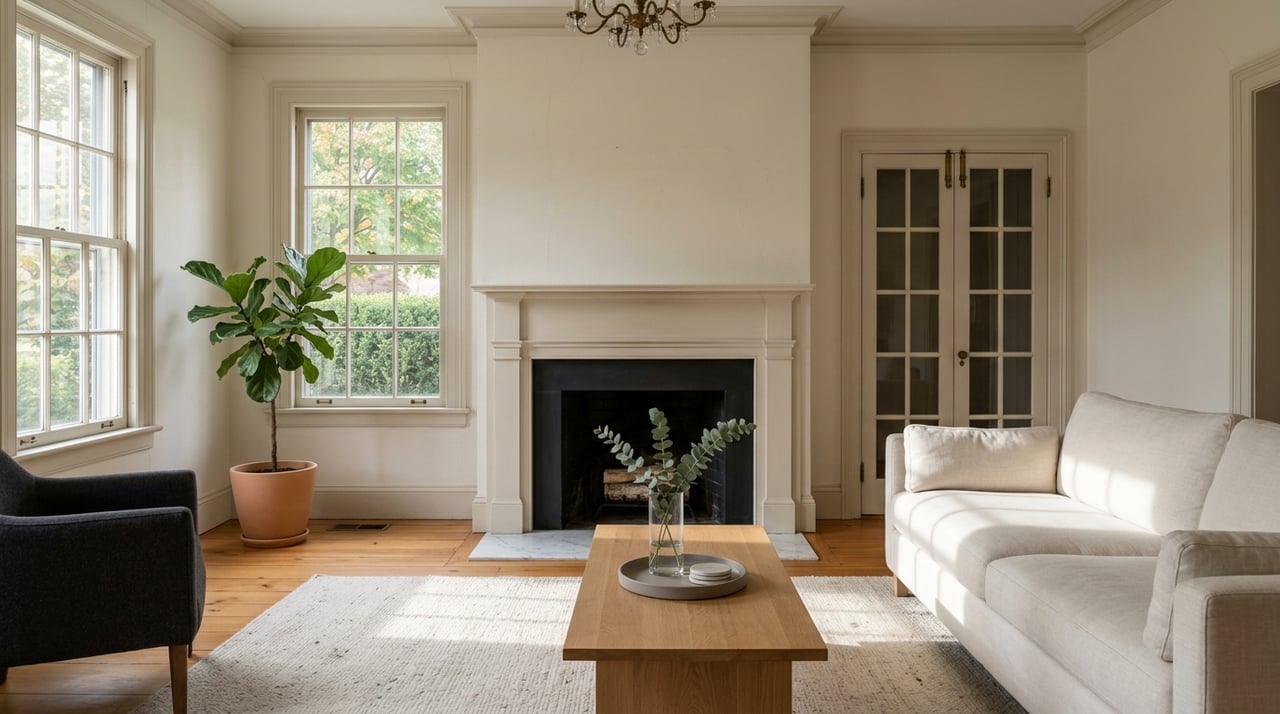
Your living room should feel open, comfortable, and easy to walk through. Remove extra side tables, baskets, pet items, and anything blocking windows or fireplaces. If the room has built-ins, trim, or a bay window, keep nearby surfaces simple so those details photograph clearly.
Kitchen
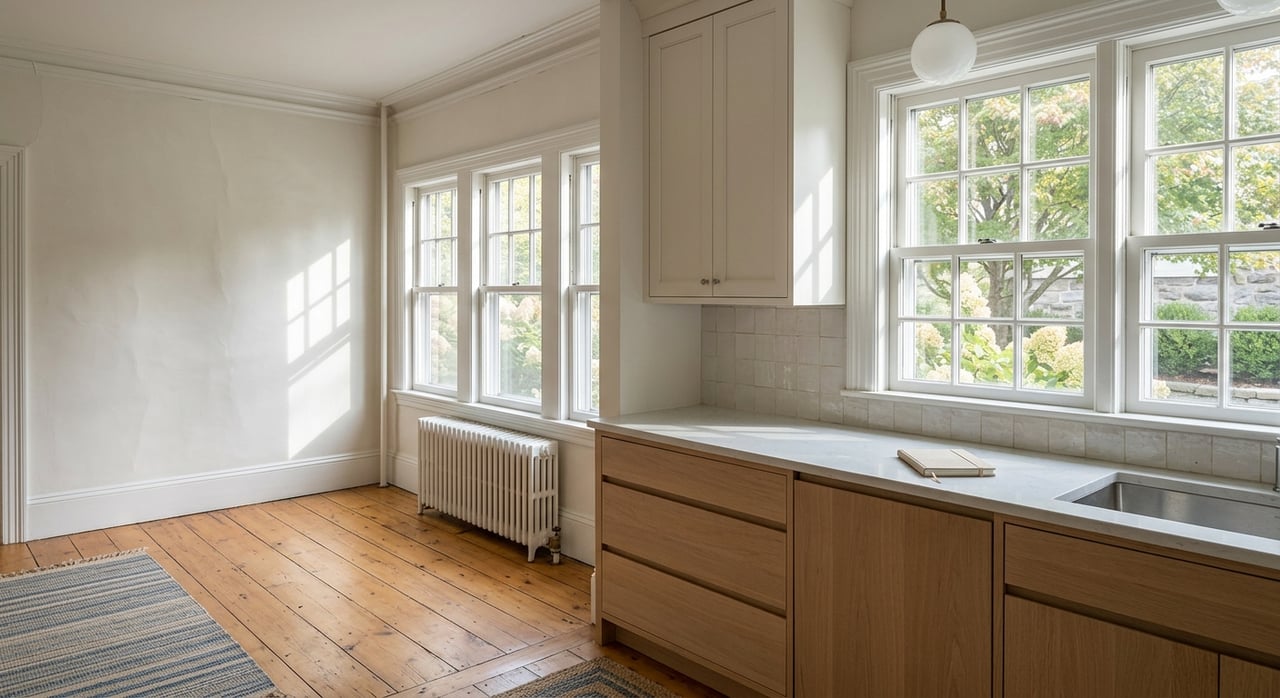
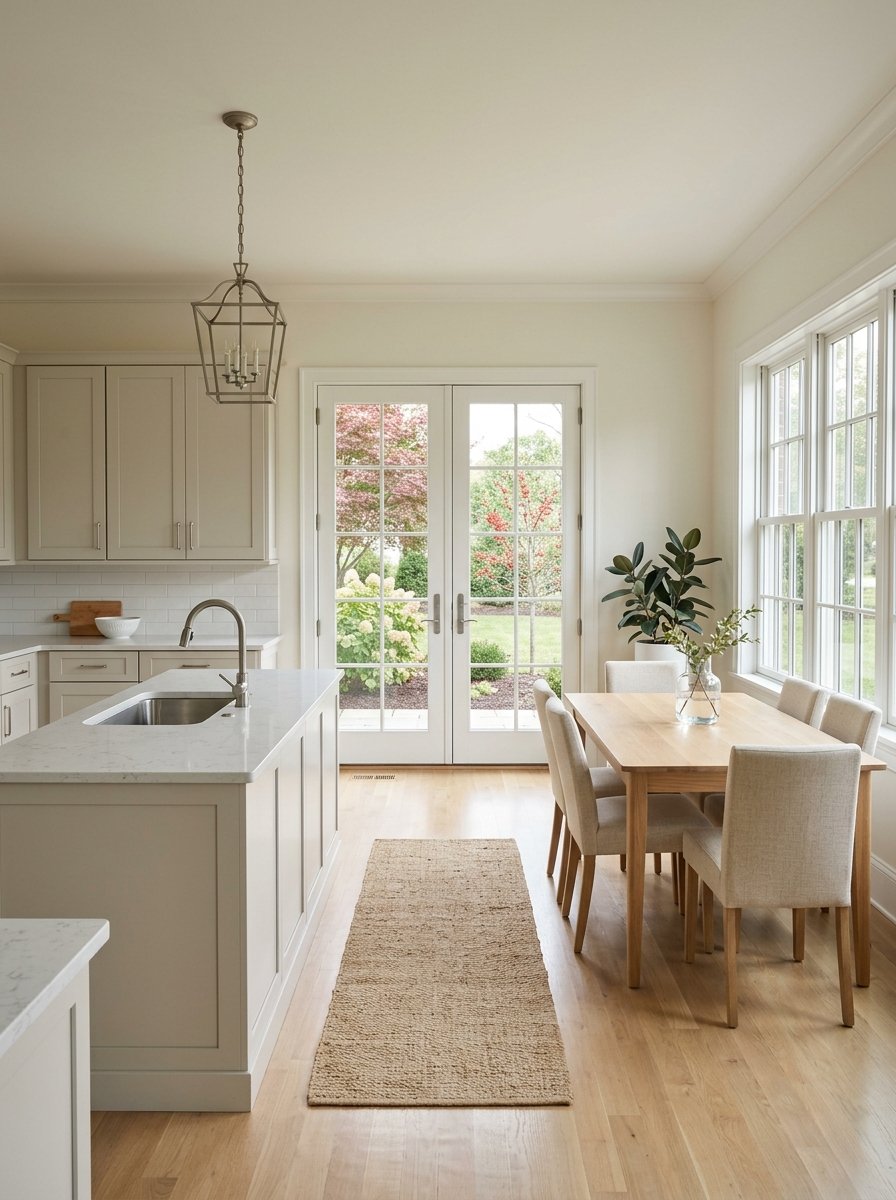
Clear counters almost completely. Leave only a few intentional items, such as a bowl of fruit or one small plant, if they suit the space. Buyers should be able to see countertop runs, cabinet lines, and how the kitchen connects to nearby dining or living areas.
Primary bedroom
Keep bedding crisp and simple. Limit furniture to the pieces that define the room without crowding it. The photo should communicate rest, light, and usable floor space.
Dining room
A dining room often helps buyers understand the flow of the main level. Use a centered table with minimal styling and enough clearance around it. If the room has original moldings, a chandelier, or large windows, make those elements easy to see.
Highlight Northampton period details
Northampton historic-district materials call out features such as cornices, pediments, pilasters, quoins, fanlights, leaded-glass windows, double-hung sash, muntins, bay and oriel windows, and mansard roofs. You do not need to know all those terms to benefit from them. You just need to make sure the camera can see the details that give your home personality.
That often means removing visual blockers. Pull back heavy drapes. Shift a chair away from a fireplace surround. Clear objects off a window seat. Edit artwork or accessories that pull attention away from trim or millwork.
A good rule is this: if a feature would catch your eye during an in-person showing, it should be visible in the photos too. In Northampton, that kind of detail can help your home feel memorable.
Keep the exterior simple and true
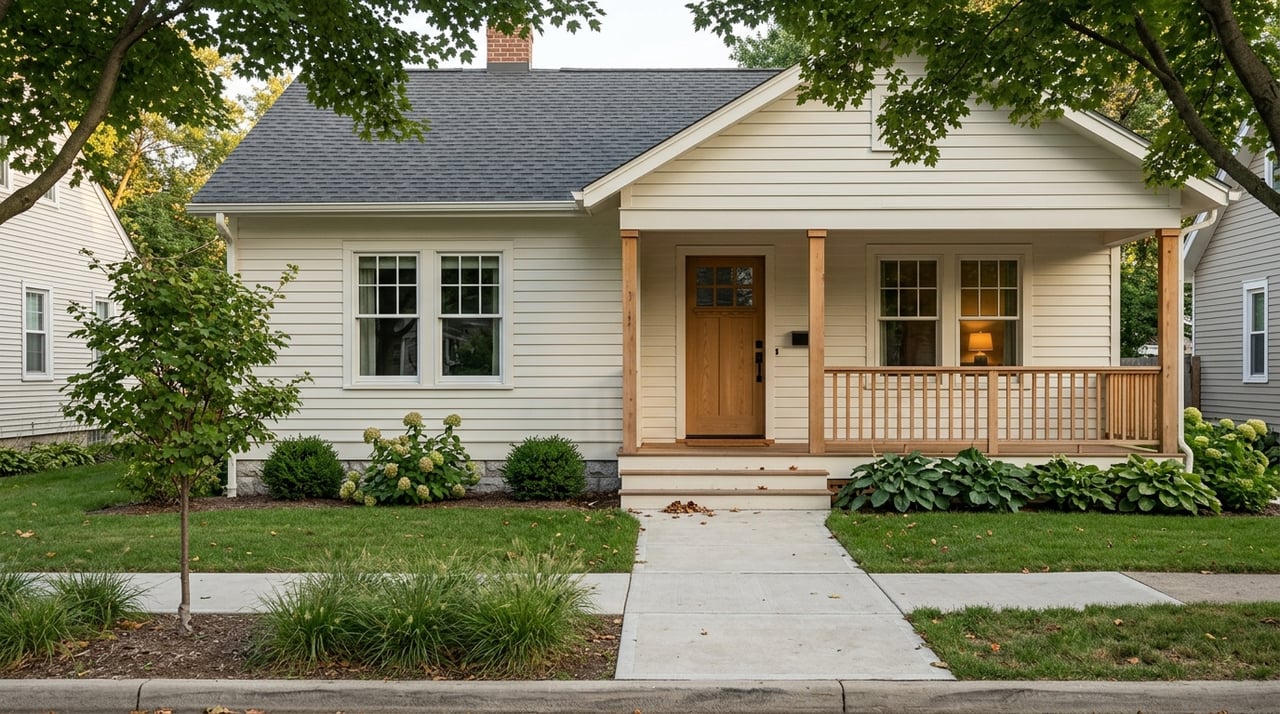
Curb appeal matters in photos, and NAR identified it as one of the most useful prep steps for sellers. In Northampton, exterior presentation is especially important because porches, entries, windows, and facade details often carry a lot of the home’s visual charm.
Before exterior photos, tidy the walkway, sweep the porch, and remove anything that feels temporary or distracting. A few well-placed planters or neatly arranged porch furniture can help, but the home itself should stay the focus. If your property is in the Elm Street/Round Hill Historic District, exterior changes are regulated by the Historical Commission, so photo styling should be reversible and sensitive to the building’s appearance.
Avoid common staging mistakes
The fastest way to weaken listing photos is to overdo the staging. Buyers need to see the home, not the props. Overcrowded rooms, bold decor, and too many accessories can make spaces feel smaller and more confusing online.
NAR’s consumer guidance also warns against neglecting cleanliness, leaving personal or political or religious items in view, and ignoring high-traffic areas. Entryways, hall paths, and transitions between rooms matter because they help the home feel coherent in a photo set. Keep those spaces clear and bright.
Plan a smart photo sequence
A strong listing usually tells a visual story. For Northampton homes, a concise sequence often works best because it balances the rooms buyers care about most with the details that give the property character.
A practical photo order is:
- Front exterior and approach
- Entry
- Living room
- Kitchen
- Primary bedroom
- Bathroom
- One or two detail shots of features like trim, windows, fireplaces, or stair elements
This sequence supports how buyers typically browse online. It gives them the broad layout first, then rewards closer attention with details that make the home stand out.
Use staging to support honest marketing
If you use virtual staging, keep it accurate and clearly disclosed when material photo alterations are made. That helps buyers understand what is real and avoids setting the wrong expectation before a showing. Clean, honest presentation builds trust.
That is also why practical staging tends to outperform dramatic styling. In Northampton, buyers are often responding to authenticity, condition, and character. The best photos do not try to disguise the house. They help buyers see it clearly.
Why local guidance helps
Staging a Northampton home is not just about making it look trendy. It is about understanding what local buyers are likely to notice, from a gracious front porch to original woodwork to a bright, edited kitchen that feels ready for the next owner. That balance takes judgment.
Shelly Hardy brings local market knowledge, staging support, professional photography, video marketing, and practical construction insight to that process. If you want your home to show well online and in person, a thoughtful plan before photo day can make a real difference in both attention and momentum.
If you are thinking about selling in Northampton, Shelly Hardy can help you create a smart staging plan, highlight the features buyers care about, and launch your listing with polished local marketing.
FAQs
What matters most when staging a Northampton home for photos?
- The biggest priorities are decluttering, whole-home cleaning, brightening rooms, and making architectural details easy to see in photos.
Which rooms should you stage first for Northampton listing photos?
- Start with the living room, primary bedroom, kitchen, and dining room, since those spaces have the biggest impact in online listing photos.
Should you remove personal decor before listing photos in Northampton?
- Yes. Packing away personal photos and highly specific decor helps buyers focus on the home itself and picture their own life in the space.
How should you stage a historic Northampton home?
- Keep staging simple and reversible, and make period features like trim, windows, fireplaces, porches, and stair details easy to see rather than covering them up.
Can virtual staging be used for Northampton listing photos?
- Yes, but any material photo alterations should be disclosed so buyers are not misled about the home’s actual condition or features.