Buying a small multi-family in Northampton can look straightforward on paper, but the details matter fast. Between older housing stock, tight vacancy, zoning rules that vary by parcel, and repair costs that can affect multiple units at once, a good investment starts with careful local homework. If you want to buy a duplex, three-family, four-unit, or small mixed-use property here, this guide will help you focus on the numbers and property facts that matter most. Let’s dive in.
Why Northampton attracts small investors
Northampton is a relatively small city with an estimated 2024 population of 31,315, but it has a lot of activity packed into a compact market. The city describes downtown as one of the most vibrant in New England, while also highlighting the distinct character of Florence, Leeds, and Bay State. For investors, that means demand is often tied to location, walkability, and established housing rather than large amounts of new construction.
The local housing picture also helps explain why small multi-family properties get so much attention. Northampton’s housing analysis reports a 1.1% homeowner vacancy rate and a 3.6% rental vacancy rate in 2023, which points to a tight market. It also says that 75% of residential properties are in buildings with four units or fewer, so small-scale ownership is a major part of the city’s housing stock.
What small multi-family looks like here
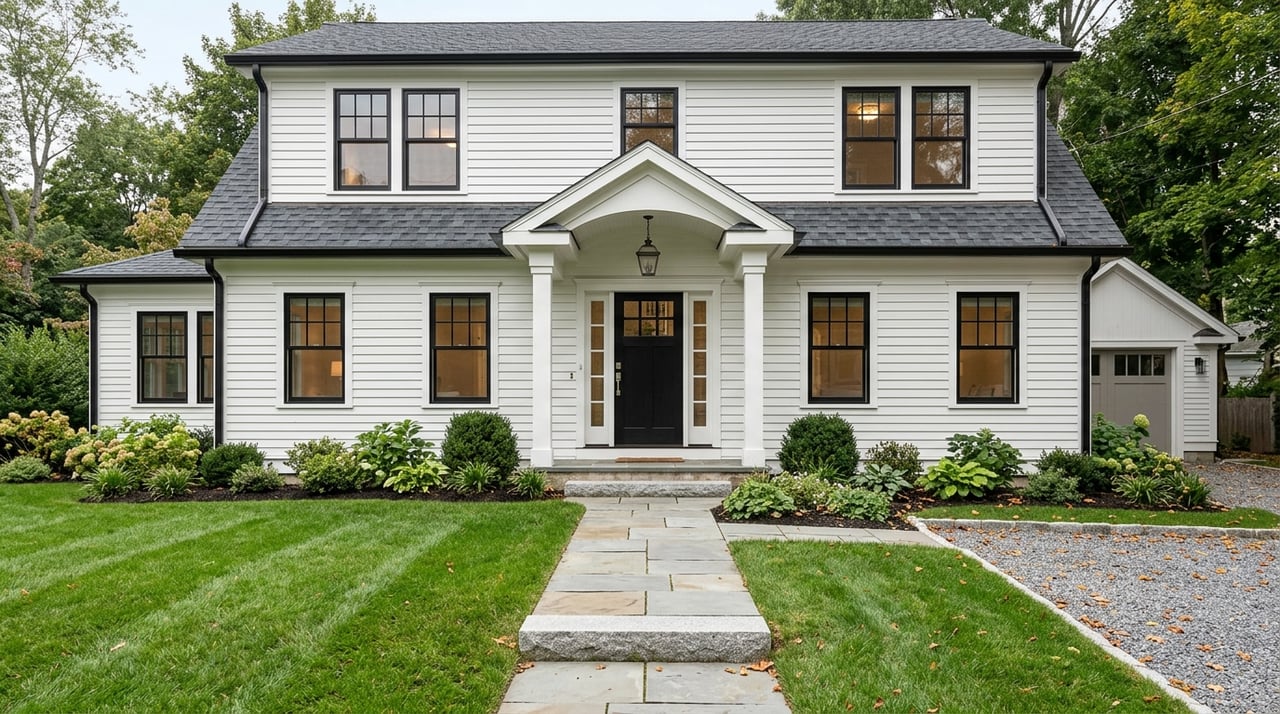
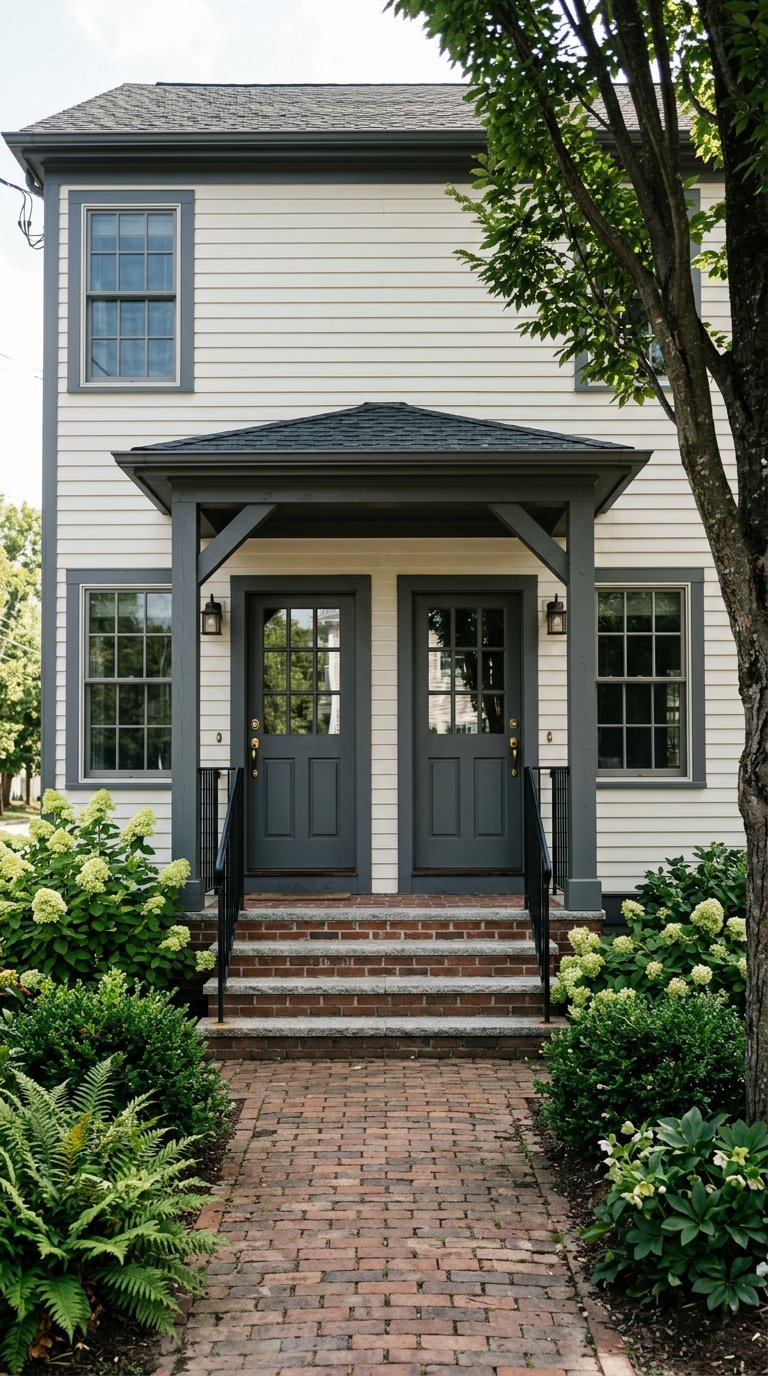
In Northampton, you are more likely to find older two- to four-unit homes, former single-family houses that were converted over time, and mixed-use buildings in downtown or village settings than large apartment complexes. That fits the city’s historic development pattern and its focus on walkable mixed-use districts. It also means every property can have its own quirks.
Age is a big part of the story. Northampton’s housing analysis says about 63% of units were built before 1960. Older buildings can offer charm and strong layouts, but they can also come with deferred maintenance, outdated systems, accessibility issues, and energy-efficiency needs.
Start with zoning before you underwrite
One of the biggest mistakes investors make is assuming a property’s current setup is automatically legal and fully usable the way it appears. In Northampton, zoning and use rules are important to confirm before you get too far into the deal. That is especially true for duplexes, converted homes, and mixed-use properties.
Northampton has made some changes that can help small-scale buyers. The city says two-family homes and two single-family homes on the same lot are allowed by right if they comply with Section 350-6.11. It also updated its rules so second units under 2,000 square feet can move to building-permit review when the application meets the ordinance.
That is encouraging for buyers considering house hacking or adding flexibility to a property. Still, it does not replace parcel-level review. You need to check the zoning district, the current code, and the property’s form-based standards before assuming future use, expansion, or reconfiguration will work.
Mixed-use properties need extra attention
If you are looking at a downtown building with apartments over a storefront, the use may be possible, but the details matter. In the CB-Core district, residential use above the first floor and mixed residential and commercial use are allowed by right. However, street-facing ground-floor residential can be limited in certain areas.
For a buyer, that means you should look beyond the headline description in the listing. A building with residential units above commercial space may still need a close review of frontage rules and floor-level use limits. In mixed-use deals, feasibility is rarely just about unit count.
Parking is never a safe assumption
Parking should be checked for the specific parcel, not estimated from a nearby building or an older listing sheet. Northampton amended its off-street parking rules in September 2025, and the code keeps parking requirements district-specific. A property that seems workable at first glance may need a deeper zoning review if your intended use changes parking expectations.
How to think about rent in Northampton
Rent data in Northampton can be useful, but only if you understand that the sources measure different things. Census QuickFacts reports a 2020 to 2024 median gross rent of $1,439. Current asking-rent sources are higher, with Apartments.com listing an average apartment rent of $1,580, Zillow showing an average rent of $2,310, and Redfin showing a median rent of $1,995.
Those figures are not directly comparable, so it is best to treat them as a range, not a single answer. For underwriting, compare occupied rents, current asking rents for similar units, and public benchmark data. Then pressure-test your numbers against actual local comps.
HUD’s FY2025 Fair Market Rents for the Springfield, Massachusetts HMFA, which includes Northampton, are:
- $1,205 for a one-bedroom
- $1,496 for a two-bedroom
- $1,823 for a three-bedroom
- $2,037 for a four-bedroom
These benchmarks can help you create a conservative model. In some cases, market asking rents may be higher than HUD levels, so relying on only one source can distort your analysis in either direction.
Underwrite vacancy and repairs conservatively
Northampton’s 3.6% rental vacancy rate suggests steady demand, but that should not lead you to under-budget for turnover or repairs. In an older housing market, vacancy is not just about finding the next tenant. It is also about how long it takes to get a unit ready when you discover electrical, plumbing, or finish issues during a turn.
The city’s housing analysis says Northampton’s stock is generally in good condition but older, with many units needing deferred maintenance and habitability-related work. That is why reserve planning matters so much for small multi-family buyers. A roof, boiler, or service-panel upgrade can affect several units at once and change your cash flow quickly.
Common capital items to expect
Northampton’s housing analysis specifically points to several recurring issues in older homes:
- Roofs
- Plumbing systems
- Electrical systems
- Accessibility modifications
- Energy-efficiency upgrades
These are not minor line items. In a duplex or three-family, one major building system can support the entire property. If it fails, the financial impact is not limited to one unit.
Lead paint should be part of your plan
Because so much of Northampton’s housing stock predates 1978, lead paint should be part of your buying analysis from the beginning. Massachusetts says the Lead Law requires hazards to be removed or controlled in homes built before 1978 when children under age 6 live there. The state also requires lead disclosure and notification materials for pre-1978 rentals and sales.
For investors, this means an older property needs a lead-safe strategy, not just a renovation budget. If you are buying a small multi-family, this issue can affect timelines, scope of work, compliance steps, and how you prepare a unit for occupancy.
Use public records to verify the basics
Before you get attached to projected rent growth or renovation ideas, verify the core property facts. Northampton’s Assessor Office says property is valued at 100% of full market value using mass appraisal, with revaluation on a five-year cycle and interim adjustments. The city also says assessed values rose about 12% on average from 2022 to 2023 and about 50% since 2020.
That matters because a property’s tax picture may shift faster than your rental income. If you are buying based on a seller’s current expenses without considering future tax changes, your underwriting may be too optimistic.
Public data sources worth checking
Northampton provides several useful tools and records for due diligence:
- Assessor’s Web Map for parcel tax information and property cards
- Current zoning map and code for use and parking review
- Hampshire Registry of Deeds for authoritative property descriptions and boundaries
- Municipal lien certificate process for unpaid taxes, assessments, and utility charges
These records can help you verify unit count, ownership details, and whether there are outstanding obligations tied to the property.
A practical Northampton deal-review checklist
If you are evaluating a small multi-family in Northampton, this is a smart order of operations:
- Verify the legal unit count on the assessor card.
- Confirm the zoning district and current use permissions.
- Check parcel-specific parking requirements.
- Review deed history and boundaries through the registry.
- Confirm whether there are unpaid taxes, assessments, or utility charges.
- Compare the rent roll against multiple rent data sources.
- Budget for older-system repairs and capital reserves.
- Review lead-related compliance if the property was built before 1978.
- Have a local attorney, inspector, lender, and contractor review the deal assumptions.
This process may feel slower than a quick online analysis, but it can save you from expensive surprises. In Northampton, small multi-family investing is often won or lost in the details.
What makes a good opportunity here
A strong Northampton small multi-family deal is usually not just the one with the highest projected rent. It is the one where the legal use is clear, the repair roadmap is realistic, and the income assumptions match the property’s actual condition and location. In this market, disciplined buying often matters more than chasing a perfect cap rate on paper.
You may find the best opportunities in properties where solid bones, workable zoning, and manageable upgrades line up. That is especially true in a city where older homes make up such a large share of the inventory. When you buy with a clear understanding of use, condition, and expenses, you put yourself in a much stronger position for long-term ownership.
If you are considering a duplex, three-family, four-unit, or small mixed-use property in Northampton, local guidance can make your search more efficient and your analysis more accurate. Shelly Hardy offers practical, neighborhood-level insight for buyers looking to make smart real estate decisions in Northampton and across the Pioneer Valley.
FAQs
What types of small multi-family properties are common in Northampton?
- In Northampton, you are most likely to encounter older two- to four-unit homes, converted houses, and some downtown or village mixed-use buildings rather than large apartment complexes.
What vacancy rate should Northampton investors know?
- Northampton’s housing analysis reports a 3.6% rental vacancy rate in 2023, which suggests a tight market but does not eliminate the need for conservative turnover and repair budgeting.
What rent data should buyers use for Northampton multi-family analysis?
- The safest approach is to compare several sources, including Census rent data, current asking-rent platforms, HUD Fair Market Rents, and local comparable units, because each source measures something different.
What repair issues are common in older Northampton investment properties?
- The city’s housing analysis highlights roofs, plumbing, electrical systems, accessibility modifications, and energy-efficiency upgrades as recurring needs in older housing.
What should buyers verify before purchasing a Northampton duplex or multi-family property?
- You should confirm legal unit count, zoning compliance, parking requirements, deed and boundary details, lien status, rent assumptions, likely capital repairs, and any lead-related compliance steps for pre-1978 buildings.