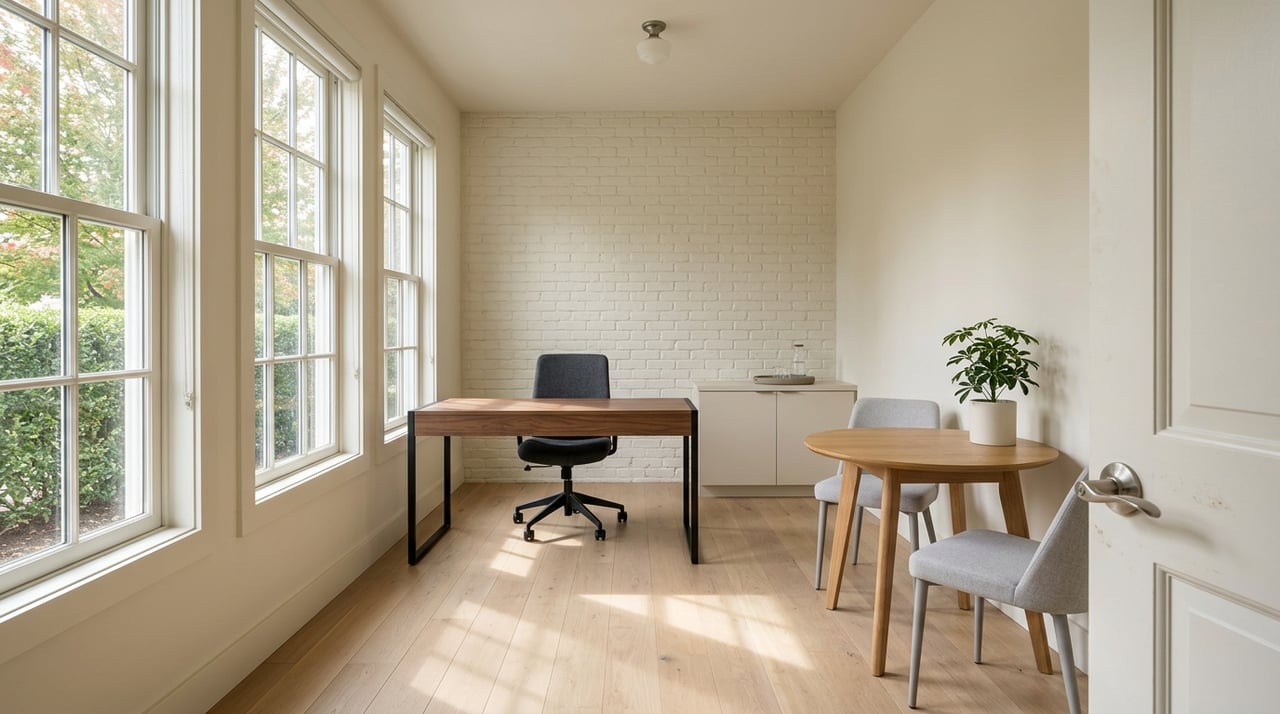
Looking for a small office in Easthampton can feel simple at first, until you start comparing rent, zoning, permits, and build-out costs. If you are a solo professional, creative business owner, or service provider, the right space needs to fit both your day-to-day work and your budget. This local guide walks you through what to look for, what to verify, and how to make a smarter leasing decision in Easthampton. Let’s dive in.
Why Easthampton Works for Small Offices
Easthampton offers a strong mix of walkability, local character, and flexible commercial space types. The city describes itself as a former mill town that now includes artists, retail shops, restaurants, and recreational amenities, with the Nashawannuck Pond boardwalk and a six-mile bike path helping shape its active downtown setting. That kind of environment can matter if you want a space that feels welcoming to clients and convenient for your day.
For many small businesses, Easthampton is not just about traditional office suites. The city’s zoning ordinance includes districts and use categories that reference professional and business offices as well as photographers’ studios, which makes the market relevant for consultants, therapists, designers, creatives, and other small service-based users. You can review these city resources through the Easthampton business page and the zoning ordinance.
Know the Main Space Options
Downtown office space
If you want walk-in convenience or a setting that feels active and connected, downtown is the clearest fit. The city highlights downtown Easthampton as a thriving business district near Nashawannuck Pond and the Cottage Street Cultural District, with restaurants, shops, and cultural activity nearby. That can be a real advantage if you meet clients in person or want a location that is easy to enjoy before or after appointments.
Downtown space may also come with older buildings and more variation in condition. Easthampton adopted a Vacant Building Ordinance in 2023 to encourage storefront reuse in the Downtown Business District, which is a helpful sign for revitalization but also a reminder to look closely at renovation needs, code compliance, and the real cost of getting a space ready.
Mill and mixed-use buildings
For businesses that need flexibility, character, or studio-style layouts, mill and mixed-use properties can be a strong match. These spaces may work well for creative professionals, appointment-based services, or small teams that do not need a standard corporate office layout. Depending on the building and parcel, these locations may also offer room for adaptation, though you should confirm what changes are actually allowed before signing.
The zoning ordinance includes districts such as Mixed Use/Mill Industrial, along with overlay tools tied to smart growth. That flexibility can create opportunity, but only if the specific address supports your intended use.
Auto-oriented locations
If your clients mostly arrive by car, visibility and access may matter more than a downtown setting. Easthampton’s directions page points to major approaches like Route 141 West and Williston Avenue as routes into the business district, which can help frame your search if convenience by car is a top priority. In some cases, a less walkable location may offer simpler parking and easier access for regional clients.
Check Zoning Before You Negotiate
One of the biggest leasing mistakes is assuming a space can be used the way you want just because it looks like a fit. In Easthampton, that assumption can create delays and unexpected costs.
The city directs business owners and tenants to start with the street map, permitting guide, and zoning map. Before you spend too much time on a tour or a letter of intent, verify the parcel’s zone and confirm whether your office, studio, or service use is allowed there.
What to confirm with the city
Before moving forward on any small office lease, make sure you check:
- The exact zoning district for the property
- Whether your intended use is allowed by right or needs relief
- Whether the parcel sits in an overlay district, such as floodplain, aquifer protection, or Manhan River protection
- Whether any site plan review, special permit, or zoning relief may be needed
- Whether your planned improvements trigger permits or occupancy changes
The city notes that the Building Inspector issues building permits, the Zoning Board of Appeals handles zoning relief, and the Planning Board reviews many projects through site plan approval and special permits. The city’s GIS tools can also help confirm the zoning district for a specific address.
Understand Permits and Timing
Even a small office move can take longer than expected if the space needs work. Easthampton states that a building permit is required before a property is altered or its use or occupancy is changed, and that the work must comply with local zoning and the Massachusetts State Building Code. The city also notes that Planning, Public Works, the City Engineer, and Fire may be involved depending on the project.
That matters because a lease start date and a usable move-in date are not always the same. If your space needs walls moved, HVAC updates, electrical work, restroom changes, or a change of occupancy, build extra time into your plan.
A practical timing note
According to Easthampton’s building department, a complete permit application is generally approved or denied within 30 days. That does not mean every project is ready to start in 30 days, but it does show why early planning is so important. If the space is not turnkey, your lease negotiation should reflect realistic permit and construction timing.
Look Beyond the Asking Rent
A small office may seem affordable based on the advertised monthly rent, but your true occupancy cost is usually higher. The Small Business Administration notes that location-related costs can include rent, insurance, utilities, local licenses and fees, and other property-related expenses. For tenants, that means the headline number is only one piece of the puzzle.
Commercial leases are also not standardized. Cornell Law School’s Legal Information Institute explains that in a net lease, the tenant pays base rent plus some or all operating and maintenance expenses, while a gross lease generally keeps those expenses with the landlord.
Common lease structures
Here is a simple way to think about the most common lease types:
| Lease type | What it usually means for you |
|---|---|
| Gross lease | Rent is more all-inclusive, with more expenses handled by the landlord |
| Modified gross lease | Expenses are shared between landlord and tenant |
| Net lease | You pay base rent plus some operating costs |
| Triple-net lease | You may take on a larger share of taxes, insurance, and maintenance costs |
Before you commit, ask for a full breakdown of expected monthly and annual costs, not just the base rent.
Budget for Build-Out and Upfront Costs
If a space needs changes, your startup cost may rise quickly. The SBA’s commercial leasing guidance notes that landlords often want to see business financials, capital expectations, operating reserves, and a clear understanding of tenant improvement allowances. In other words, you should be ready to talk not just about rent, but also about what it will cost to make the space functional.
For a small office in Easthampton, common build-out items may include:
- Interior walls or layout changes
- Lighting and electrical updates
- HVAC improvements
- Flooring or finish work
- Restroom updates
- Signage or entry changes
If the property is in an older building, it is especially important to clarify who pays for what. A space with lower rent may still cost more overall if the build-out list is long.
Do Not Overlook Accessibility
Accessibility should be part of your review early, not late in the process. The ADA primer says existing facilities must remove barriers when it is readily achievable, and examples can include accessible routes, ramps, door hardware, and changes to counters or restrooms.
Just as important, the ADA Title III manual explains that lease language does not erase federal ADA obligations. Even if a lease tries to assign responsibility between landlord and tenant, both parties still need to understand what work may be required.
Accessibility questions to ask
As you evaluate a space, ask:
- Is there an accessible path from parking or the sidewalk to the entrance?
- Are doorways, hardware, and interior circulation workable for your use?
- Do restrooms need changes?
- Who is responsible for accessibility-related improvements?
- Has any required work already been completed?
These questions can affect both timing and cost, so they belong in your early due diligence.
Match the Location to Your Business Model
The best Easthampton office is not always the prettiest or the cheapest. It is the one that fits how your clients find you, how they arrive, and how your business actually operates.
A simple way to think about it is this:
- Choose downtown if meetings, walkability, and a client-friendly setting matter most.
- Consider a mill or mixed-use building if you want flexibility, studio character, or a less conventional layout.
- Look at auto-oriented locations if your clients mainly drive and parking or visibility matters more than foot traffic.
If you are comparing a few options, write down your top priorities before touring. That can help you avoid being distracted by charm alone and keep your focus on function, approvals, and total cost.
A Smart Leasing Checklist
Before you sign a small office lease in Easthampton, make sure you have:
- Confirmed the zoning district for the exact parcel
- Verified that your intended use is allowed
- Reviewed possible permit requirements
- Asked about lease structure and expense pass-throughs
- Estimated total monthly occupancy cost
- Budgeted for build-out and accessibility updates
- Clarified who handles what improvements
- Built in enough time for approvals and construction if needed
For more complex lease terms, especially those involving expense pass-throughs, renewals, personal guarantees, or major improvements, it is wise to bring in a commercial real estate attorney and a CPA or bookkeeper for review.
Leasing small office space in Easthampton can be a smart move when you match the property to your business needs and do the homework up front. If you want local guidance as you compare locations, review options, or think through your next move, Shelly Hardy can help you approach the process with practical insight and a neighborhood-level perspective.
FAQs
What types of small office space are common in Easthampton?
- Easthampton offers downtown office space, mill and mixed-use spaces, and more auto-oriented locations, with zoning that can support professional offices and some studio-style uses depending on the parcel.
What should you verify before leasing office space in Easthampton?
- You should verify the exact zoning district, whether your intended use is allowed, whether overlays apply, and whether permits or approvals will be needed for your space.
How long do permits take for office build-out in Easthampton?
- The city says a complete permit application is generally approved or denied within 30 days, but your full timeline may be longer if other departments or added project reviews are involved.
What costs matter besides base rent for an Easthampton office lease?
- In addition to base rent, you may need to budget for utilities, insurance, licenses, fees, operating expenses, maintenance pass-throughs, and any build-out or accessibility work.
Is downtown Easthampton a good fit for a client-facing office?
- Downtown can be a strong fit if you want walkability, nearby amenities, and an active setting for meetings, though you should also evaluate parking, building condition, and renovation needs for each property.
Why is accessibility important when leasing office space in Easthampton?
- Accessibility matters because some barrier removal may be required under the ADA, and lease language alone does not eliminate federal accessibility obligations for landlords or tenants.