Wondering whether an older home in Holyoke Highlands will charm you, surprise you, or do a little of both? That is a fair question. In this part of Holyoke, older homes are a major part of the neighborhood’s appeal, but they can also come with repair needs, efficiency issues, and extra due diligence. If you are thinking about buying here, this guide will help you understand what to expect before you make an offer. Let’s dive in.
Why Holyoke Highlands Feels Different
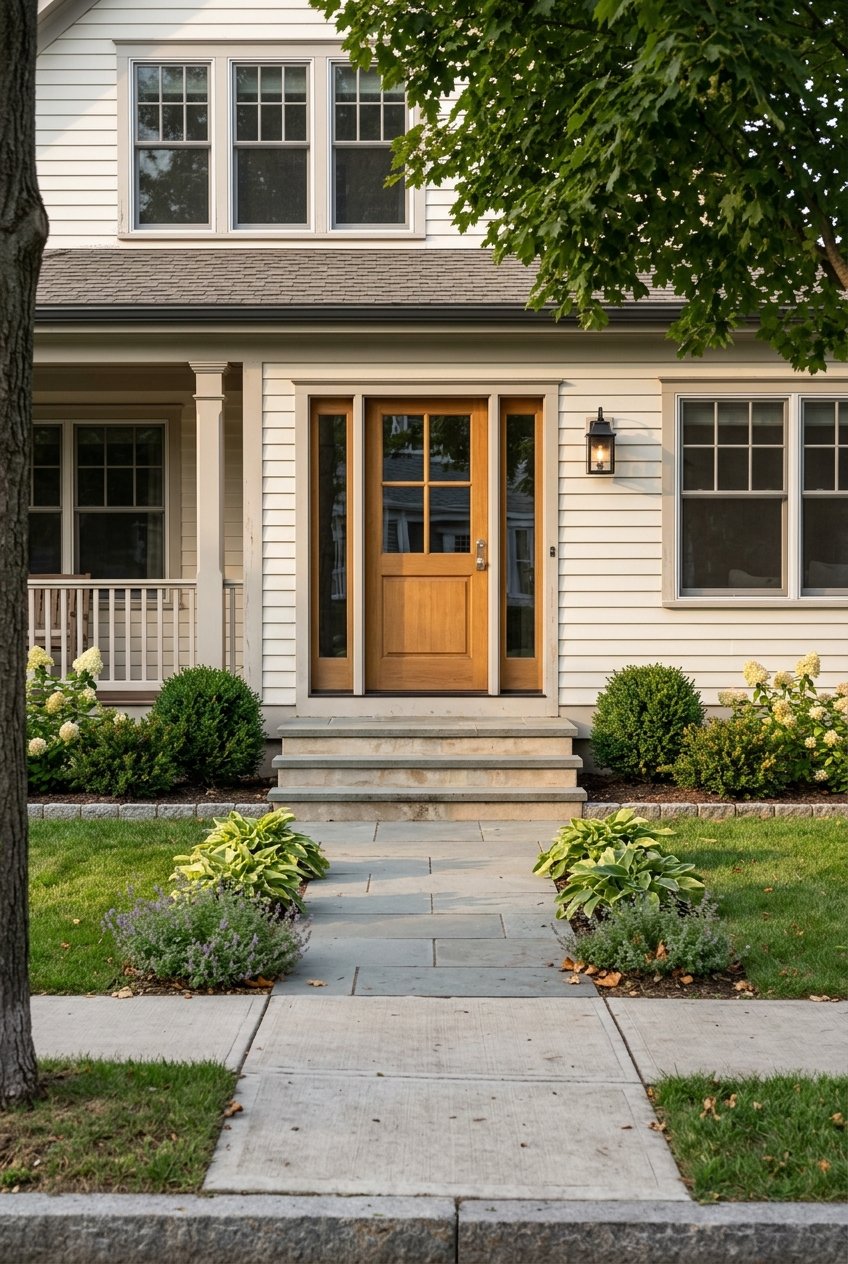
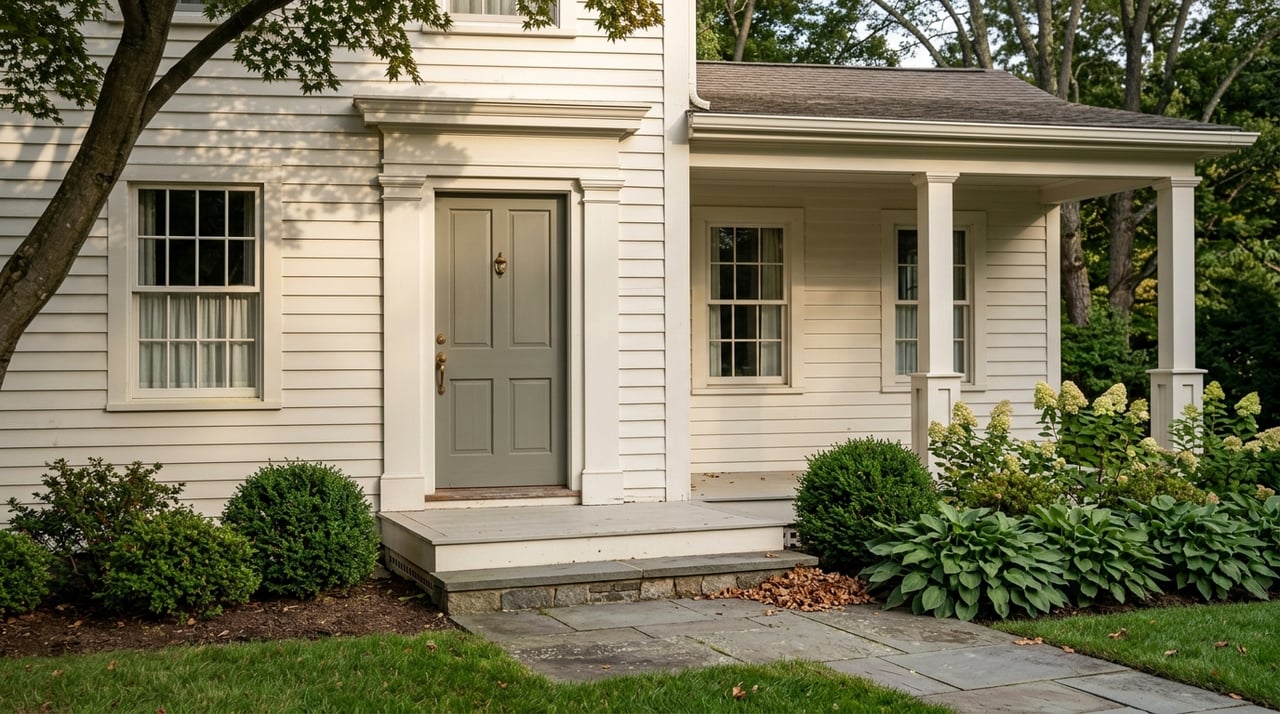
Holyoke Highlands stands out for its older housing stock and architectural variety. According to the Massachusetts Historical Commission’s survey, the area includes elaborate Queen Anne homes, Colonial Revival mansions, and later infill that added more modest two-family housing.
That mix means you are not shopping a neighborhood where every property is essentially the same. One house may have strong original character and careful long-term upkeep, while the next may need major system work behind the walls. In Holyoke Highlands, condition can vary as much as style.
What Older Housing Stock Really Means
In the broader Pioneer Valley, older homes are common. Holyoke and Chicopee each had more than 7,000 homes built before World War II, and more than 40% of regional rental housing predated 1940. In other words, older building materials and older systems are not unusual here. They are part of the market.
For you as a buyer, that means it helps to look past finishes and focus on the home as a whole. Fresh paint and a nice kitchen matter, but so do the roof, heating system, insulation, plumbing, electrical, and foundation.
Expect Repair Needs Beyond Cosmetics
Older homes often need more maintenance, and that is especially important to budget for in a neighborhood like Holyoke Highlands. The Pioneer Valley housing plan notes that older homes can come with higher repair needs, poor past maintenance, outdated heating and cooling systems, weak insulation, and possible material risks such as lead paint, asbestos, and lead pipes.
That does not mean every older home is a problem. It does mean your budget should include room for repairs and upgrades that may not be obvious at first showing. If you are planning to stretch financially just to close, an older home may feel tighter once real maintenance costs appear.
Budget for Systems First
A smart way to think about an older-home budget is to separate character upgrades from must-have system work. Original trim and period details can be exciting, but they should not distract from the practical items that affect safety, comfort, and monthly costs.
Focus first on:
- Roof condition
- Foundation and basement issues
- Electrical system age and capacity
- Plumbing materials and function
- Heating and cooling performance
- Insulation and air sealing
- Window condition and draft issues
If major system updates are needed, those costs can add up quickly. That is why clear inspection planning matters so much.
Energy Efficiency Can Be a Big Opportunity
Older homes often lose energy through gaps, poor insulation, and older windows. Mass Save says insulation, air sealing, and window upgrades work together, and that weatherization is often the most cost-effective way to reduce energy use.
For many Holyoke Highlands buyers, the best first step is not replacing everything at once. It is understanding how the house performs now. A home energy assessment can identify inefficiencies and point you toward rebates, incentives, or no-cost options if you qualify.
Mass Save also states that insulation and air sealing can reduce heating and cooling costs by up to 15%. High-efficiency windows may also help reduce drafts. In practical terms, it often makes sense to evaluate the building envelope first, then decide whether bigger HVAC or window projects should come next.
Lead Paint and Renovation Rules Matter Here
If you buy an older home in Holyoke Highlands, lead should be on your checklist. Massachusetts says homes built before 1978 may contain lead paint, and lead history is especially important in older housing.
Massachusetts also requires sellers, real estate agents, and landlords of pre-1978 homes to provide notice about lead risks. If children under 6 will live in the home, lead hazards must be removed or controlled under state law.
Check Lead History Early
The state’s Lead Safe Homes system allows the public to check lead history for homes built before 1978. That can give you a better sense of whether the property has prior lead records or related documents.
If you are already thinking about renovations, the rules can affect your costs too. Massachusetts says certain paid renovation, repair, or painting work in pre-1978 homes may require lead-safe renovation practices when enough painted surface is disturbed. That can change both your project scope and your timeline.
Water Line Questions Are Worth Asking
In some older Massachusetts homes, the drinking-water service line may also need attention. Mass.gov says lead can enter tap water if the service line connecting the house to the street is lead, and service lines for homes built before 1940 are sometimes lead.
That does not mean every older property has a lead service line. It does mean you should ask the question. For an older Holyoke Highlands home, it is reasonable to verify whether the service line is lead, galvanized, or unknown before you move too far into the process.
Know What a Home Inspection Can and Cannot Do
A home inspection is one of your most important tools, but it has limits. Massachusetts explains that a home inspection is a visual and limited review. It is not a guarantee, insurance policy, appraisal, or code inspection.
A standard inspection typically looks at accessible parts of the roof, attic, walls, ceilings, floors, windows, doors, basement, foundation, plumbing, electrical, heating, cooling, and interior and exterior surfaces. That gives you valuable information, but it does not uncover every hidden issue.
Stronger Buyer Inspection Protections
Massachusetts has also updated its inspection framework for certain home sales after October 15, 2025. Before or at the first purchase contract, the seller or agent must provide a separate written disclosure confirming your right to a home inspection, and the state’s regulation prohibits acceptance from being conditioned on waiving inspection rights.
That is helpful consumer protection, but it does not replace careful planning. Depending on the house, you may also want to consider whether specialist inspections are appropriate.
Historic Status Can Affect Exterior Changes
Part of what makes Holyoke Highlands attractive is its architectural character. In some cases, that character also brings local preservation considerations.
Holyoke’s Historical Commission maintains an inventory of historically or architecturally important buildings, areas, and sites, and it administers the city’s demolition by-law. Fairfield Avenue is Holyoke’s first local historic district, and exterior changes there must be approved before permits are issued.
If you are dreaming about changing siding, replacing windows, rebuilding a porch, or making other visible exterior updates, confirm early whether the property is in a protected area. That step can save you time, money, and frustration later.
Asbestos May Affect Future Remodeling
If your plans include opening walls, replacing siding, or doing other invasive work, asbestos is another issue to keep in mind. MassDEP says renovation, repair, or demolition activity that may disturb asbestos can require a thorough asbestos inspection and other compliance steps before work begins.
This may not affect you right away if the home is move-in ready and you are not planning major changes. But if your strategy is to buy now and remodel over time, it is smart to factor this into your future budget.
Use Holyoke’s Property Tools Before You Commit
One practical step many buyers overlook is checking the city’s property information. Holyoke says its Property Viewer gives access to property field cards, tax maps, ownership information, and property valuations online.
That can help you confirm the recorded basics of a home before your offer is finalized. It is not a substitute for inspections or legal advice, but it can help you spot inconsistencies and ask better questions.
A Practical Buying Strategy for Holyoke Highlands
When you buy an older home here, your goal is not to avoid age. Your goal is to understand it. Some older homes have been thoughtfully maintained and updated. Others need catch-up work.
A practical approach usually looks like this:
- Confirm the home’s age and basic property record.
- Ask about major repairs, upgrades, permits, and receipts.
- Review likely system priorities before focusing on finishes.
- Check lead history if the home was built before 1978.
- Ask about the water service line material.
- Evaluate energy performance and possible weatherization upgrades.
- Confirm whether historic-district or preservation rules apply.
- Budget for hidden conditions, not just visible improvements.
This kind of planning helps you buy with confidence instead of reacting to surprises after closing.
Why Older Homes Still Attract Buyers
Even with the extra homework, older homes in Holyoke Highlands continue to appeal to buyers for good reason. They often offer architectural detail, mature neighborhood character, and a sense of place that is hard to replicate in newer construction.
If you go in with clear expectations, an older home can be a smart and rewarding purchase. The key is balancing charm with careful due diligence. When you understand the likely tradeoffs up front, you are in a much better position to decide whether a specific property is the right fit for your budget, timeline, and comfort level.
If you are considering a home in Holyoke Highlands and want practical guidance on how to evaluate condition, updates, and neighborhood fit, Shelly Hardy can help you make a clear, informed plan.
FAQs
What should you expect when buying an older home in Holyoke Highlands?
- You should expect architectural character, varied condition from property to property, and the possibility of higher maintenance, system updates, and extra due diligence around lead, energy efficiency, and renovation planning.
What inspections matter for an older home in Holyoke Highlands?
- A standard Massachusetts home inspection covers accessible areas such as the roof, foundation, plumbing, electrical, heating, cooling, and interior and exterior surfaces, but it is still a limited visual review and may not reveal every hidden issue.
What lead-paint issues matter in older Holyoke Highlands homes?
- Homes built before 1978 may contain lead paint, lead history may be available through the state’s Lead Safe Homes system, and if children under 6 will live in the home, Massachusetts law requires lead hazards to be removed or controlled.
What energy upgrades should you consider for an older Holyoke Highlands home?
- Mass Save says insulation, air sealing, and window improvements work together, and a home energy assessment can help you identify the most effective upgrades before you spend money on larger projects.
What historic-district rules can affect a Holyoke Highlands home purchase?
- Some properties may be on Holyoke’s historic inventory or within an area such as the Fairfield Avenue local historic district, where certain exterior changes require approval before permits are issued.
What city records should you check before buying in Holyoke Highlands?
- Holyoke’s Property Viewer can help you review field cards, tax maps, ownership information, and property valuations so you can confirm the recorded basics of a property before moving forward.